This tour is interesting because it turns the usual Alpine problem into a solution. Instead of picking one country and crossing your fingers, you string together five nations with a luxury car, programmed GPS, and a tight route built around major mountain drives.
I like two things a lot. First, the hotel-based car handover plus an on-call support line (call or WhatsApp) makes the day-to-day feel calm. Second, the driver’s road list is serious, with passes like the Stelvio and Austria’s Grossglockner High Alpine Road.
One drawback to think about up front: this trip really depends on good weather. When passes are involved, conditions can change how comfortable the driving feels, and you will be spending a lot of time at the wheel on mountain roads.
Key things to know before you go
- Private tour for your group (up to 2) with car delivery and collection at your hotel
- Programmed GPS in English plus a day-by-day road book, for less map stress
- Steering-wheel highlights: Stelvio, Grossglockner, Furka, Bernina, Oberalp, and multiple Dolomite passes
- Premium stays with king-size bedding, and breakfast included for 9 mornings
- Insurance included, with CHF 5,000 excess held on your credit card at handover
- Neuschwanstein Castle admission is included, while many other attractions are optional
Five Countries, One Luxury Car Plan (and why it works)
If you like the idea of the Alps but don’t want the logistics headache, this style of trip makes sense. You start in Zurich, end back in Zurich, and spend the middle days threading between Switzerland, Liechtenstein, Germany, Austria, and Italy using mountain roads you can actually drive.
The smartest part is the built-in navigation and planning. The tour uses programmed GPS along with an English road book, so you are not doing last-minute “Where do we turn?” moments. Add en route support by call or WhatsApp, and it becomes less about coordinating and more about enjoying the ride.
You also get the high comfort setup you want for long days. Hotels are described as top quality, and the inclusions mention king-size bedding. That matters because after passes, tunnels of curves, and altitude changes, you want your room to feel like the reset button.
The tradeoff is that you are choosing a driving-heavy itinerary. This is not a slow “walk around villages and call it a day” plan. If you want lots of free time each afternoon for wandering on your own terms, you may find some days packed.
A few more Zurich days worth comparing
- Lindt Home of Chocolate Museum Entry Ticket
★ 4.7 · 9,329 reviews - Zurich: Grindelwald, Interlaken & Lauterbrunnen Day Trip
★ 4.6 · 7,123 reviews - Zurich: City Tour, Cruise, and Lindt Home of Chocolate Visit
★ 4.5 · 4,624 reviews
Price and what $39,524.40 buys you (and what it doesn’t)
The price is $39,524.40 per group (up to 2) for the full 10-day experience. That sounds big until you break down what is typically expensive in the Alps: premium hotels, a luxury car, and the time cost of route building.
Here is what you are paying for, based on the inclusions:
- Luxury car with all tour mileage for 8 days
- Car delivery and collection at your hotel
- Programmed GPS and an English day-by-day road-book
- Hotel stays with king-size bedding
- Comprehensive insurance with CHF 5,000 excess (on your credit card at handover)
- Neuschwanstein Castle admission
- Breakfast included for 9 mornings
What you pay locally:
- Fuel, which varies with how much you drive and your driving style
- Optional attraction admissions, since not all stops include entry fees
- Lunches and dinners, not included
So the value angle is simple: if you would otherwise spend time and money assembling this same mix of passes, hotels, and driving help, this packaged approach can be efficient. It is less efficient only if you want to skip most attractions and do your own route in cheap accommodations.
Car handover, navigation, and the real comfort factor
This trip is built around taking the stress out of the hardest part, driving. You meet in Zurich at the Renaissance Zurich Tower Hotel and have a meet-and-greet in the late afternoon. Then you get a detailed driver’s briefing and your car handover at the hotel.
The support system is practical, not vague. You can reach the team by call or WhatsApp during en route moments. That is useful for questions that always pop up on road trips, like timing questions, parking uncertainty, or a GPS route mismatch.
The other comfort piece is the “how do we get from A to B” plan. Programmed GPS plus an English road book helps you get your bearings fast. It also keeps you from wasting energy on confusing turns in busy areas.
From the feedback you shared, one name shows up as a strong point. Stephan at EPIKdrives is praised for attention to route choices, hotels, and attractions, plus quick responses when plans need adjusting. For you, that means the trip is not just pre-written, it is monitored.
Days 1 to 3: Zurich, Thur Waterfalls, Vaduz views, and Germany’s royal castles
A different kind of day out of Zurich:
- From Zurich: Bus Day Trip to Heidiland and Liechtenstein
★ 4.5 · 2,531 reviews - Zurich: City Highlights Tour by Bus, Cable Car, and Ferry
★ 4.4 · 2,366 reviews - From Zurich: Stein am Rhein and Rhine Falls
★ 4.6 · 2,206 reviews - Mount Titlis and Lucerne Day Trip from Zurich
★ 4.5 · 1,960 reviews
Day 1: Zurich arrival and your first calm evening
Your day begins with a 5:00 PM meet-and-greet at your hotel. There is time to explore Zurich at your leisure before the briefing. This first evening matters more than you think, because it sets your sleep schedule for the mountain days ahead.
You also get the personal briefing at the hotel. That reduces the usual road trip friction, like how you should handle tolls, parking, or general car operations.
Day 2: Thur Waterfalls, Vaduz Castle, and Oberjoch Pass
You start with nature and viewpoints. The Thur Waterfalls are a stop through alpine forest with misty power and good photo angles from viewpoints and walkways.
Then you roll into Liechtenstein and take in Vaduz Castle from outside. Since you see it from the road rather than a structured interior visit, it works well as a quick scenic moment, not a time sink.
The day ends with Oberjoch Pass, described as Germany’s highest federal road. That means hairpin bends and sweeping views are part of the deal. If you want driving thrills without going full rally-car, this is a great kind of road: dramatic, but still accessible.
Day 3: Neuschwanstein, Linderhof and Ettal Abbey, then Krimml Waterfalls
This is a classic “royal Bavaria” day, with a mix of included and optional stops.
- Neuschwanstein Castle is included, with about 1 hour on the visit time. It is the fairy-tale, turreted, bridge-and-view kind of landmark. It also tends to be the type of stop where crowds can slow you down, so you’ll be glad the admission is handled in the package.
- Schloss Linderhof (not included) gives you another Ludwig II stop. If you love ornate palaces, it can be worth adding.
- Ettal Abbey (not included) is a strong cultural pause. The baroque church and setting are the focus, and the tour gives you about 45 minutes.
- Krimml Waterfalls in Austria follows later. They are listed as the highest at 380 meters, with wooden walkways and viewpoints.
Practical note for this day: you are stacking a castle, a palace, an abbey, then waterfalls. It is a good mix, but it is also a long-feeling day. If you do not love rushing between photo points, plan to keep your stops efficient.
Days 4 to 5: Austria’s Grossglockner High Alpine Road and the Dolomites pass circuit
Day 4: Grossglockner High Alpine Road
This is the day that screams, take your time and enjoy the turns. The Grossglockner High Alpine Road climbs to about 2,504 meters and is described as Austria’s most famous mountain pass. Hairpin bends, glaciers, and views of the Grossglockner are the headline.
The best way to enjoy a day like this is not to treat every overlook as a race. Slow down. Let your eyes adjust to altitude changes. And if you get motion sensitivity, keep water handy and take short breaks at viewpoints.
Day 5: Dolomites hits, including Sella Pass, Lago di Misurina, and more
This is a driver’s day in the truest sense. You get multiple Dolomite passes, starting with the Gardena Pass and then Sella Pass. Both are listed with high elevations around 2,136 meters and 2,240 meters respectively, and both are known for dramatic limestone scenery and tight curves.
Then you shift to a lake moment with Lago di Misurina, described as the Pearl of the Dolomites, about 1,756 meters. It is a “pause and reset” stop, and it is noted as free.
The itinerary keeps the momentum with more passes, including:
- Pordoi Pass (28 hairpin bends)
- Giau Pass, with wide alpine meadows and limestone peaks
This is where the tour’s GPS planning earns its keep. The Dolomites road network can be confusing if you are self-navigating, and this itinerary is built like a best-of route.
Days 6 to 7: South Tyrol character towns, Reschen Lake tower, and the Stelvio legend
Day 6: Glorenza, Reschen Pass, Il Campanile Sommerso, then Pontresina
Day 6 starts with Glorenza (Glorenza), described as Italy’s smallest town and a perfectly preserved medieval place in South Tyrol’s Val Venosta. You get about 1 hour, and the focus is cobbled streets, arcades, and alpine views.
Then you head to Reschen Pass, which forms the Austria-Italy border and connects the scenery with a unique history. The stop centers on Lake Resia and the famous tower rising from the water, Il Campanile Sommerso. This one is also listed as free and takes about 30 minutes.
You finish near Pontresina in the Engadin Valley, close to St. Moritz. The tour highlights Engadin houses and the area’s glacier and peak setting, with options for hiking and wildlife watching if you want to stretch your legs.
Day 7: Stelvio Pass, Bernina Pass, and Ofen Pass in Engadin
The day starts with the Stelvio Pass, described as Italy’s highest paved mountain road and a legend among drivers. The northern ascent includes 48 hairpin bends. That’s a lot of turns, so if you like the idea of a road trip as a driving event, this day will feel worth it.
After that, you tackle the Bernina Pass (about 2,328 meters). It is tied to UNESCO via the Bernina Express, and you get glacier and turquoise lake scenery plus hairpin turns.
Then you wrap with Ofen Pass in Switzerland’s Engadin region, at about 2,149 meters, described as winding through Swiss National Park with pristine scenery and possible wildlife encounters.
If you are prone to getting tired of driving after dark, you will want to keep your pace realistic. Even with GPS support, mountain roads and frequent stopping for photos add time.
Days 8 to 9: Swiss pass days, Ruinaulta gorge, and the Furka area power sequence
Day 8: Julier Pass, Ruinaulta Rheinschlucht, Oberalp and Disentis
You start with Julier Pass, listed at about 2,284 meters and known since Roman times. You also get red stone landscapes and alpine lakes, plus a note that it is open year-round.
You then move to Ruinaulta Rheinschlucht, often called the Swiss Grand Canyon. Expect dramatic gorge views, white cliffs, dense forests, and turquoise water. This is a quick stop, about 30 minutes.
Next is Oberalp Pass around 2,044 meters, described as the highest point of the Glacier Express train journey. You then get a monastery stop with Benediktiner Kloster Disentis (not included), about 45 minutes, before ending near Andermatt.
Andermatt is presented as a historic mountain village turned stylish resort, surrounded by big passes like Furka, Oberalp, and Gotthard. It is a useful base-feeling stop because it gives you a chance to regroup before the last big pass day.
Day 9: Furka Pass, Rhone Glacier, Aareschlucht, then Susten and Grimsel
This is the best “Swiss big road trip” day, stacked with famous sights.
- Furka Pass at about 2,429 meters is highlighted as thrilling, with sweeping curves and dramatic glacier views. It is noted for the James Bond film Goldfinger (1964).
- Then Rhone Glacier near Furka Pass, about 1 hour 30 minutes. The tour frames it as the source area of the Rhone River and a natural wonder you can admire from above.
- Aareschlucht (Aare Gorge) near Meiringen, about 1 hour, with wooden walkways and tunnels through a narrow limestone canyon.
Then you finish with two more roads:
- Susten Pass at about 2,224 meters, smooth curves with views of glaciers, waterfalls, and rugged peaks.
- Grimsel Pass at about 2,164 meters, with granite peaks, reservoirs, and dramatic contrast to nearby lush valleys.
This day is why programmed GPS matters. You are moving between key regions without wasting time on detours. You should still plan for fatigue though.
Day 10: Interlaken lakes, Oberhofen Castle, Schallenberg Pass, and chocolate by the end
Day 10 keeps the energy moving but shifts to more classic “end-of-trip pleasure” stops.
You start near Lake Brienz with deep turquoise water. Then you head to Lake Thun, framed by the Bernese Alps. You end up in Interlaken, Switzerland’s adventure hub between Lake Thun and Lake Brienz, near the Eiger, Mönch, and Jungfrau peaks.
You can also add Oberhofen Castle (not included), about 1 hour, right on Lake Thun. Then you drive Schallenberg Pass, at about 1,167 meters, which is described as giving panoramic views of the Emmental region.
Finally, the day ends on a sweet note with Lindt Home of Chocolate near Zurich, about 1 hour. After that, you return the car at 5:30 PM to your hotel in Zurich.
This final day is a gentle way to transition out of the mountain driving mental mode. Instead of one more pass, you get lakes, a castle stop if you want it, and chocolate.
What you should watch for on a driving-heavy Alpine tour
A tour built around passes is fun, but it has a rhythm. Here are the practical points that will make or break your comfort.
1) Motion and fatigue are real
Even if you love driving, hairpin bends across multiple passes add up. Take breaks at viewpoints when you can. Hydrate. And if you get car sickness easily, bring what you need.
2) Weather is not a footnote
The tour requires good weather. If the day is cloudy or the road conditions change, your experience will shift. The schedule is built for Alps driving, so you should accept that mountain weather can force adjustments.
3) Optional admissions can add cost
Only Neuschwanstein Castle is explicitly included. Many other stops are “not included,” so decide ahead of time which ones you care about enough to pay locally.
4) You are paying for time saved
The big value is not just the luxury car. It is the reduced stress from navigation, road-book planning, and support. If you hate planning, this tour is your friend.
Who this tour fits best
This is a great match if you want:
- A luxury car road trip with premium hotels and included breakfasts
- A serious list of Alpine driving highlights, not just one or two passes
- A low-stress planning approach using programmed GPS and English guidance
- A private setup for a small group, up to 2
It may be less ideal if you prefer minimal driving and lots of slow walking time, or if you dislike the idea of mountain roads as the main event.
Should you book it?
Book it if your dream trip is to hit major Alpine roads like Stelvio, Grossglockner, and Furka without doing route research yourself. The mix of programmed navigation, hotel-based car handover, and strong support from Stephan at EPIKdrives is exactly what you want when you are spending days in high-altitude driving country.
Consider skipping or rethinking if you know you get worn out by long driving days, or if you are sensitive to weather changes. This tour leans into driving, so it is best when you are excited for the wheel time as much as the sights.
If you book, you will get a rare type of value: a route that connects five countries with real mountain roads, not just a set of day trips.
FAQ
How much is the tour for up to 2 people?
The price is $39,524.40 per group, for up to 2 travelers.
Where does the tour start and end?
It starts at the Renaissance Zurich Tower Hotel in Zurich and ends back at the same meeting point in Zurich.
How long is the tour?
The duration is 10 days (approximately).
What is included with the car and navigation?
You get car delivery and collection at your hotel, programmed GPS guidance, an English day-by-day road book, and en route support by call or WhatsApp. All hotels with king-size bedding and all tour mileage for 8 days are included.
Is fuel included?
No. Fuel is not included and is payable locally.
Which attraction admission fees are included?
Neuschwanstein Castle admission is included. Other admissions are listed as optional and payable locally.
What insurance is included, and what is the excess?
Comprehensive insurance is included with a CHF 5,000 excess held on your credit card at the time of car handover.
Is there an age requirement?
Yes. It is described as perfect for travelers aged 23 and over.
When do you return the car on the last day?
Car return in Zurich is at 5:30 PM.
What is the cancellation window for a full refund?
You can cancel up to 6 days in advance of the experience for a full refund, with cut-off based on local time.
Recently reviewed around Zurich
- Zurich Private Walking Tour with a Local Guide★ 3.5 · 3 reviews
- Private Swiss Cheese Chocolate and Wine Tour★ 4.0 · 3 reviews
- Zürich: Fusion Arena Hyper Reality VR Experience★ 5.0 · 3 reviews
- Lauterbrunnen, Jungfrau & Grindelwald Tour | From Zurich★ 5.0 · 3 reviews
- Outdoor Escape Room “Operation Mindfall”★ 4.5 · 3 reviews
- Zurich Discovery Walking Tour★ 5.0 · 3 reviews
- Zurich tour with Lake Zurich Cruise & Lindt Chocolate Experience★ 5.0 · 3 reviews
- Zurich to Lucerne and Titlis Tour with Igloo Fondue Experience★ 5.0 · 3 reviews
VIP, compared.
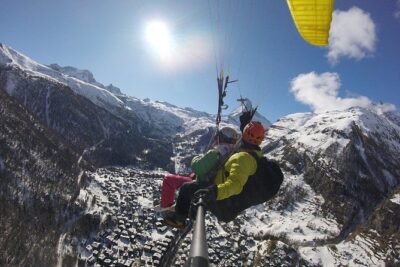
FLYMATTERHORN VIP Paragliding from Zermatt, With Matterhorn View
Read our review →

Airport Transfer: Zurich Airport ZRH to Zurich by Luxury Van
Read our review →
Private Transfer: Lucerne to Zurich Airport ZRH by Luxury Van
Read our review →