
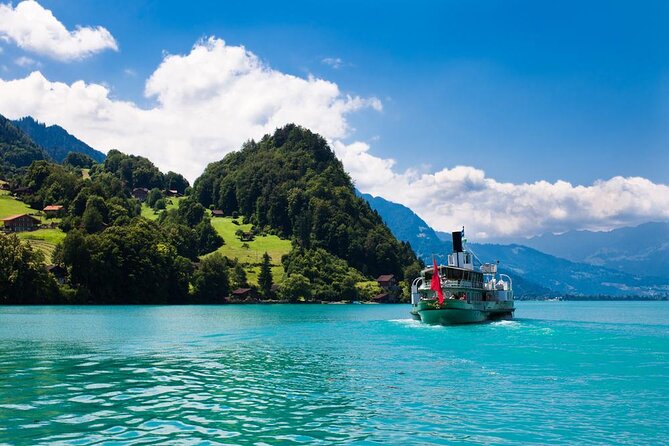
Reviewed · LAKE BRIENZ
Winter Kayak Tour of the Turquoise Lake Brienz
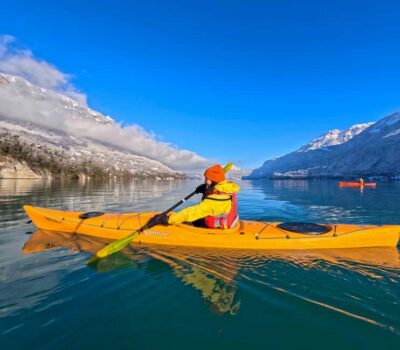
Winter kayaking on Lake Brienz is one of those Switzerland ideas that sounds a little too perfect until you’re actually on the water. From a kayak, the snow-dusted mountains sit right in front of you, and their reflections can make the lake feel like a moving mirror. It’s a peaceful break from nearby ski crowds, and the timing is just right for a half-day style outing.
Two things I really like about this tour: you get a true guided experience with a small group (max six), and you come prepared with the kayak plus dry suit gear so you are not hunting for rentals. A third thing that matters, because it affects your comfort, is that you do need moderate fitness and the ability to handle a kayak on your own, even if you are a first-timer.
The main drawback to consider is the cold-weather exposure plus the suit materials. Drysuits use latex gaskets at the wrists and neoprene at the neck, and direct contact is unavoidable, so allergies can be a deal-breaker.
Key points before you go
- Small-group calm: maximum six people, so the guide can actually help you.
- Winter-ready gear included: kayak, warm layers, and equipment rental, plus dry suits to keep you warm and dry.
- A real coaching element: you do not need prior kayaking experience, but you must be able to handle your kayak.
- Scenery from the water: sweeping views over Ringgenberg Castle and wide outlooks toward the Jungfrau Region.
- Comfort-focused breaks: a mid-lake tea break shows up in guide-run moments on the water.
- No kids 15 and under: it is aimed at adults and teens who can manage the suit and paddling demands.
Getting suited up at Hightide Kayak School, and why that matters in winter
Your tour starts at Am Quai 1 in Bönigen (3806 Bönigen, Switzerland), and you return to the same spot at the end. Before you even touch the water, you spend time getting the kit sorted, and that early step is the difference between fun and misery in winter.
What you should expect first is suit and kayak setup. The dry suit experience is practical, not just a costume change, because the goal is to keep water out and warmth in. The suit’s wrists use latex gaskets, and the neck area is protected with neoprene material (Glideskin). The important part for your planning: direct contact with those materials is unavoidable.
You also get guidance on how the whole process works, from putting on the dry suit to getting seated and moving the kayak. Many first-timers go in nervous, and that’s normal. Instructors tend to run step-by-step and make sure you can manage the kayak on your own before the group pushes onto the lake.
More Winter Activities in Interlaken
- Interlaken: Small-Group Winter Kayak Tour on Lake Brienz
★ 4.9 · 249 reviews - From Interlaken: 8-Hour Skiing in Grindelwald for Beginner’s
★ 4.7 · 48 reviews - Snowshoe Adventure in the Swiss Alps
★ 5.0 · 29 reviews
What to bring so you do not overheat or feel damp
Even with top equipment, you still control your comfort with layers. Bring warm clothes to wear under the dry suit, typically thick socks, thermal bottom and top, and a thin jumper. If it is very cold, add extra layers. Pack sunglasses and a sunhat too, because snow glare can be intense.
Also, bring change of clothes. Even when you stay mostly dry, you can get a bit sweaty or end up damp from handling the gear. That small detail makes the end of the tour so much nicer, especially if you have plans right after.
Launching onto Lake Brienz: the mirror effect, Ringgenberg Castle, and slow-water magic
Once you’re out on Lake Brienz, the vibe shifts fast. You are surrounded by snow-covered mountains, and on calm winter days their shapes can reflect on the water so clearly it feels surreal. If you are used to looking at mountains from roads or ski lifts, this is a different scale. The views feel closer, and the lake’s stillness makes everything read sharper.
The tour’s “sweeping views” highlight specifically mentions the look over Ringgenberg Castle from the clear water. That matters because a castle view from a viewpoint photo is nice, but a castle view from a kayak is cinematic. The paddle rhythm gives you time to look, and the guide can help you position so you get those angles without rushing.
This is also where the coaching shows up again. You do not just get dropped into a boat and told to go. The guide works with your group so you can steer, paddle efficiently, and feel steady in your kayak.
How long you spend actually paddling
The whole experience is about three hours. That time includes gearing up, time on the lake, and your guided stops along the shoreline. You should plan for a workout, but it is not an all-out sprint. Think controlled effort with frequent chances to look, listen, and adjust your technique.
If you have moderate physical fitness, you are in the right range. If you expect an easy sit-and-stare activity, you might find yourself using your core and arms more than you imagined.
More time on Lake Brienz:
- Kayak Tour of the Turquoise Lake Brienz
★ 5.0 · 566 reviews - Interlaken: Boat Day Pass on Lake Thun and Lake Brienz
★ 4.4 · 180 reviews - Interlaken Cruise Day Pass Lake Thun and Lake Brienz, 2nd class
★ 4.0 · 31 reviews - Interlaken: Winter Jetboat Ride on Lake Brienz
★ 4.9 · 24 reviews
Paddling the Lake Brienz shoreline, with stops that feel like scenic chapters
The itinerary lists a sequence of places you pass through and point to. Even if the stops are not all long sightseeing breaks, each part gives a different feel to the same stretch of water.
Stop: Boenigen area and Interlaken views from the water
As you move along the lake, you get water-level impressions of Boenigen and Interlaken. From land, these areas can feel separate, but from the lake they connect into one broad story: lakeside towns, mountain walls, and a horizon line that keeps pulling your attention forward.
The advantage here is perspective. You see how the towns sit along the water, how the coastline curves, and how the mountains frame the scene. It is not just scenery, it is geography, and seeing it from the kayak helps it stick.
A possible drawback is that winter weather can change the feel quickly. If you get fog or low clouds, the view can soften and turn moody. That can still be wonderful, but it is different from a crisp, sharp-snow day.
Stop: The Beach, Strandbad Bonigen
The itinerary specifically calls out Strandbad Bonigen, the beach area. This is the kind of stop that often gives you a moment to reset your legs and your focus, and it also helps break the paddling into smaller sections.
One winter highlight that shows up in guide-run moments is a mid-lake break with tea and biscuits. Even if the exact details vary by day, the idea is consistent: you get a short pause on the water to warm up and enjoy the moment as a group.
Stop: Bernese Oberland and Jungfrau Region lookouts
The tour also points to the Bernese Oberland and the Jungfrau Region as part of what you experience from the water. You should treat these as “what the mountains around you belong to” framing, not as stops where you get out to tour a town.
Why that matters: when you understand the names of the peaks and regions you are seeing, the views stop being generic background. You start to recognize the bigger story of what Switzerland looks like in winter.
Equipment, dry suits, and the comfort equation in cold water
The tour is built around staying warm and dry, and the included equipment is a big part of the value. You get kayak and equipment rental, plus warm layers. Drysuits are described as top-end, with latex wrist gaskets and Glideskin neoprene at the neck.
That comfort focus is not fluff. In winter, cold is usually not one dramatic moment, it is a slow problem: water entry, wind chill, and the fatigue that comes from feeling uncomfortable. The suit design aims to reduce water entry, and thicker layers under the suit help you maintain warmth without overheating.
Allergy and medical reality check
If you have latex or neoprene allergies, this tour may not be suitable. The suit materials are directly contacted, so this is not like wearing a jacket and hoping you are fine. If you are unsure about your allergy severity, talk to a doctor first.
You should also consider back, neck, lower back, joint, or muscular problems carefully. This tour is designed for moderate fitness and involves paddling, balance, and operating the kayak. You do not need previous kayaking experience, but you do need to be able to handle your kayak on your own.
Group size and guide style: what small-group really means
The tour is capped at six people. That number matters more than it sounds. With a small group, the guide can check everyone’s form, adjust seating if needed, and give quick corrections without making you feel rushed.
It also changes the vibe. You are not waiting for a big group to do the same maneuver. You move with the rhythm of the water and the pace of the instructor.
In the guide experience, names like Dave, Davide, Patrizia, Sean, Manu, Ryan, Barrie, Andrea, Chris, Ian, Peter, and Carl show up in past tours. The common thread is consistent instruction, patience with first-timers, and a lot of attention to making sure people feel settled before they paddle further out.
One more practical plus: guides often take photos for you as part of the included photo package. So you are not stuck with only blurry phone shots from inside a puffy sleeve.
Price and value: is $202.06 per person worth it?
At $202.06 per person for about three hours, it is not a budget activity. But you are buying more than “rent a kayak.”
Here’s where the price makes sense for many people:
- You get guided instruction from start to finish, not just basic rules.
- You get kayak and equipment rental, including dry suit setup.
- Warm layers are included, which matters because winter layering can be expensive if you do not already have the right gear.
- A photo package is included, which saves you time and frustration on a day when you are already busy dressing up and trying to stay warm.
If you compare it to the cost of DIY rentals in winter plus the hassle of figuring out suit gear and lake safety on your own, the guided, small-group format becomes easier to justify. If you do not care about instruction, or if you have your own winter kayaking setup and local knowledge, you might find cheaper options elsewhere. But for most visitors, this feels like a “show up, get suited, paddle, go home happy” kind of deal.
Weather matters more than you think in winter on the lake
This tour requires good weather. If it is canceled due to poor weather, you are offered either a different date or a full refund. There is also a minimum number of travelers requirement, so on low-demand dates you might see schedule adjustments.
For you, the practical takeaway is simple: bring flexibility into your plans. If you are trying to lock in multiple activities back-to-back on the exact same day, winter conditions can force change.
When the weather is cooperative, the payoff is huge. You might get fog or sunshine, and either can be special. Even on days that look clouded from shore, you can sometimes still see breaks of light that make reflections and mountain outlines look extra crisp.
Who should book this winter kayak tour (and who might not)
You should book if you want:
- A guided winter paddle with dry suit comfort and included equipment
- Small-group attention, especially if you are new to kayaking
- Big mountain views, including Ringgenberg Castle angles from the water
- A short, satisfying outing, about three hours, that breaks up a tight trip schedule
You might want to skip or think twice if:
- You have latex or neoprene allergies
- You cannot handle paddling and operating a kayak on your own, even with coaching
- You have significant back, neck, joint, or muscular issues and you are not sure how paddling plus balance will feel
- You are traveling with children 15 and younger, since the tour does not allow them
Should you book? My quick decision guide
If you like the idea of winter scenery that actually moves, and you are excited by the thought of snow reflections on calm water, this is a strong choice. The small-group setup, included dry suit gear, and photo package are what make it feel like a real experience instead of a rental.
Book it when you can be flexible with weather and you are ready for a moderate workout in cold air. Skip it if suit-material allergies are an issue or if you want a completely easy, no-effort activity.
If you can do one winter thing that feels different from ski days, this kayak tour is exactly that kind of choice.
Recently reviewed around Interlaken
- Zurich: Day Trip to Grindelwald & Interlaken with Photoshoot★ 5.0 · 3 reviews
- Grindelwald First & Bachalpsee Hiking Tour | From Interlaken★ 5.0 · 3 reviews
- Raclette Rafting in Interlaken★ 3.5 · 3 reviews
- Private all day driver: Interlaken> Lauterbrunnen and Grindelwald★ 3.5 · 3 reviews
- Phototour Private Photoshoot in Interlaken & Lake Brienz and Thun★ 5.0 · 3 reviews
- Tandem Paragliding in Interlaken★ 5.0 · 3 reviews
- Interlaken Full-Day Highlights Tour with a Local by Private Car★ 4.5 · 3 reviews
- 3 Waterfalls in Lauterbrunnen + CLOY Pier Iseltwald + Interlaken★ 5.0 · 4 reviews
Lake Brienz, compared.
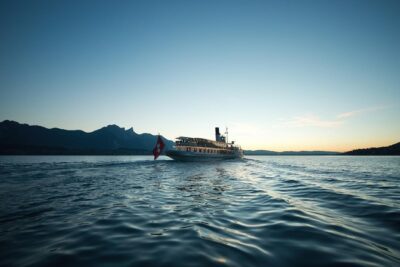
Interlaken Cruise Day Pass Lake Thun and Lake Brienz, 2nd class
Read our review →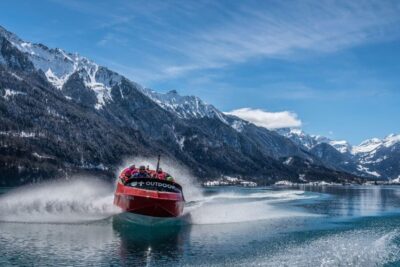
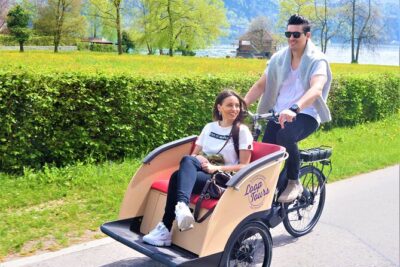
Hidden gems e-bike tour with picnic at Lake Brienz
Read our review →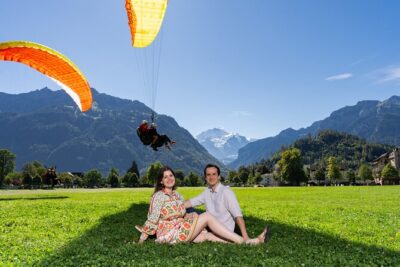
Phototour Photoshoot at the Lake Brienz, Iseltwald, Interlaken
Read our review →Browse the lists this tour appears in