Reviewed · TOURS
Zermatt: Gastro tour through Zermatt kitchens
Food in Zermatt is already a treat, but this tour adds the missing piece: you get behind-the-scenes access. I like the idea of watching chefs work close up, then finishing with a private meal that is paired with Valais wine. The main catch is the price, at $167 per person, so it only feels worth it if you care about the kitchen part as much as the dinner.
You also move around by cab between stops, which keeps things smooth in a place where weather and altitude can make walking annoying. The group is tiny, limited to 4 people, and the host speaks German and English. If you want a quiet, serious food experience where you can ask questions, this fits well.
Key points to know before you go
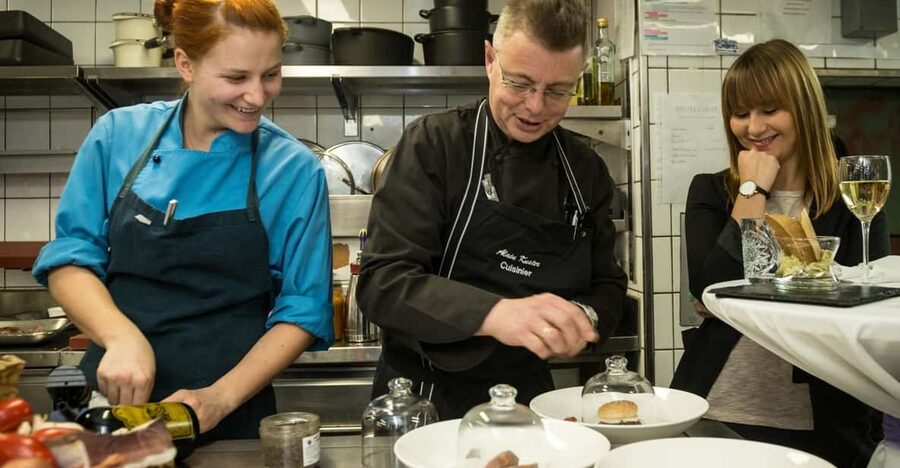
- Three-kitchen access at connected Zermatt restaurants, with time to watch stove work, steaming, and sizzle
- Private seasonal menu served after the kitchen visits, designed around regional flavors
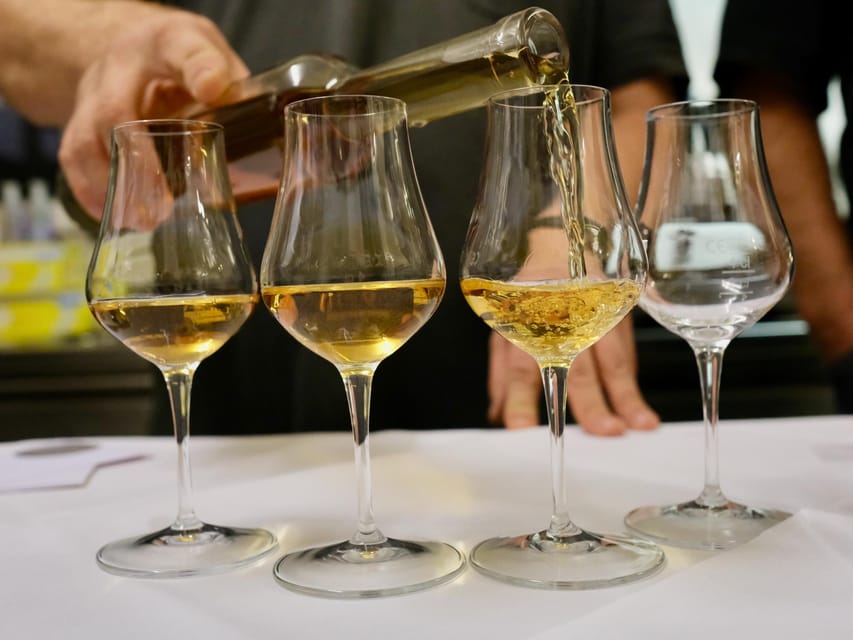
- Valais wine included (three glasses), plus coffee and a digestif
- Small group size (max 4), which makes it easier to actually talk and learn
- Cab rides between stops so the tour stays efficient
- Wheelchair accessible, and the experience is offered in German and English
Zermatt kitchen access: why this is more than dinner
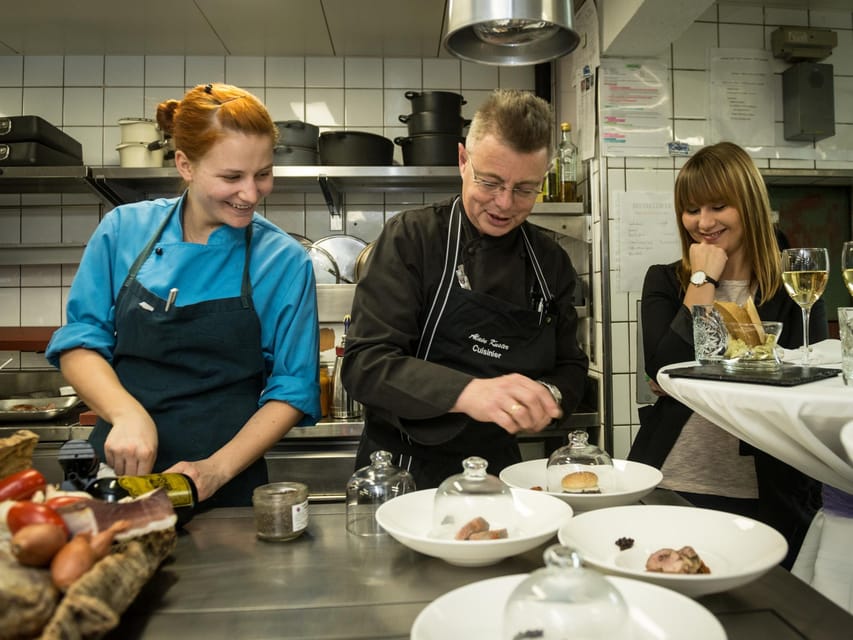
Zermatt takes food seriously. Not just the final plate, but the craft behind it, the timing, and the way alpine ingredients show up in menus. A normal restaurant meal tells you the outcome. This kind of gastro tour is about understanding how the outcome gets made.
What I find appealing is the mix of two very different moments. First, you’re in the work zone, watching professionals cook. Then you sit down and eat in a calmer, more private setting. That contrast matters. It helps you connect what you saw at the stove with what ends up in front of you.
The tour is built around regional cooking and technique. You’re not only tasting, you’re picking up the “why” behind dishes, including how ingredients and methods shape flavor.
Where you start in Zermatt, and how the pace stays sane
The tour runs for 3 hours, and that’s a good length for this kind of experience. Long enough to see real cooking, short enough that you’re not rushing through everything with tired feet and cold hands.
You meet in different places depending on the season. In summer, the meeting point is Hotel National (Matterstrasse 39). In winter, it’s Restaurant Mirabeau (u. Mattenstrasse 12-14). From there, you do not wander all over town with a map and hope. You get a cab ride to the other kitchens and dining stops.
That cab piece is underrated. Zermatt can be deceptively tiring, especially in winter. Keeping travel between stops controlled means you spend your energy on the part that matters: the kitchens and the meal.
Also, the host or greeter speaks German and English, and the group is limited to 4. In a small group, the tour does not feel like a conveyor belt. You should be able to ask basic questions without feeling like you’re slowing everyone down.
Behind the pass: what it feels like to visit three kitchens
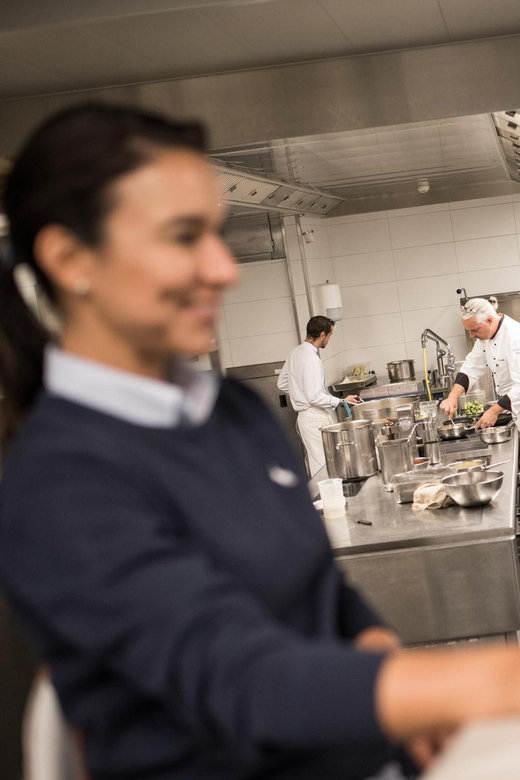
The heart of this tour is getting exclusive insight into multiple kitchens. The experience is described as a look over the chef’s shoulder as it sizzles and steams. That matters more than people expect.
When you watch cooking from close range, you notice the rhythm. The way hot pans get handled. The order ingredients go in. How timing changes depending on the heat and portion size. Even if you do not understand every term, your eyes start learning the sequence.
You visit three different kitchens connected to Zermatt restaurants. In summer, the named restaurants are Hotel National, Beausite, and Walliserhof. That gives you a helpful expectation: you’re not just seeing one kitchen and then being taken to different rooms for photos. You’re meant to get three kitchen perspectives.
A small caution based on an actual snag that’s surfaced: if your expectations are very strict about seeing all planned kitchens, treat it as something to confirm. Ask directly that the tour includes three real kitchen stops and that you’ll be present for the cooking action, not just walking through back-of-house areas. In theory, the tour is designed for exactly that, but it is smart to lock in what you’re paying for.
Turning what you see into what you taste
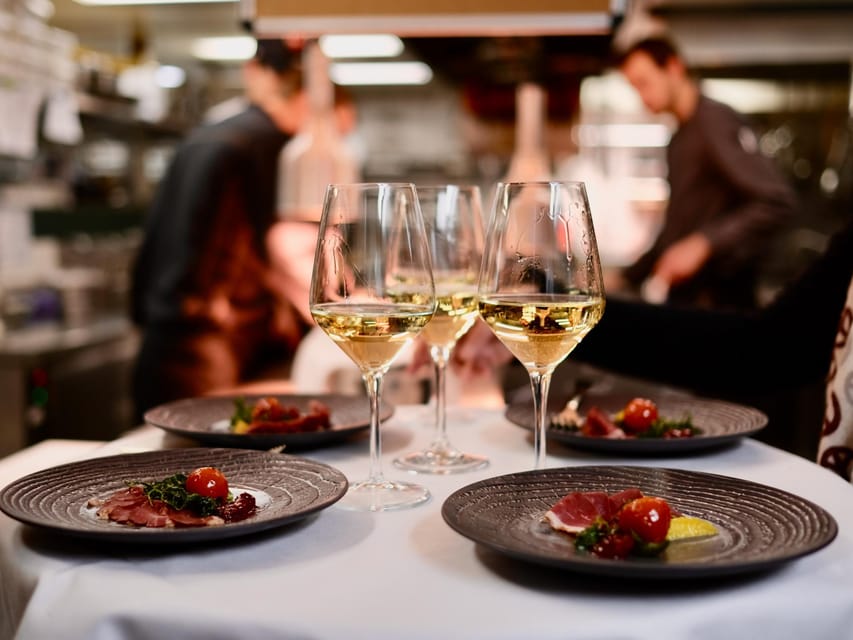
After the kitchen visits, you move into the eating part: a seasonal regional meal in a private setting. The highlights say you’ll enjoy a 3- or 4-course experience, while the included details list a three-course menu. Either way, the idea is the same. You’re eating what the kitchens are producing, without the usual dining-room noise.
This is where the tour earns its keep. Seeing technique first changes how you taste. Instead of just thinking, That’s delicious, you start noticing things like:
- How a sauce carries flavor, not just sweetness or salt
- How cooked versus raw textures show up in the dish
- How cooking methods shift aroma, even when the ingredients are familiar
You also get three glasses of Valais wine with the meal. That pairing is part of the learning. Valais wine is part of the local food identity, and the tour gives you a guided way to taste it alongside regional dishes.
You’ll also have coffee and a digestif included. That typically makes the meal feel complete, like a full culinary arc rather than a quick bite between stops.
Valais ingredients and Swiss technique, explained in plain language
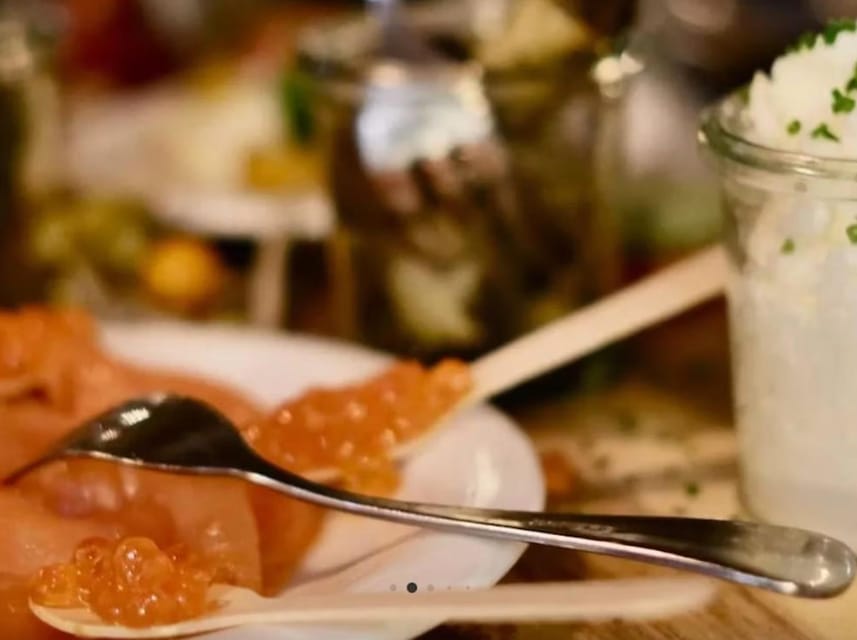
The tour is specifically about learning what makes each dish unique: the ingredients and the techniques behind it. You might not get a formal class, and you should not expect restaurant chef slang translated perfectly into a syllabus. But you can learn a lot from clear, practical explanations when you’re watching the cooking in real time.
Here’s what you can realistically take away during this kind of experience:
- Why certain ingredients are used in alpine-style cooking
- How professionals manage timing in the kitchen
- How plating decisions connect back to flavor and texture
- Which techniques matter most for balance in regional meals
Because the group is small, these explanations have space to land. In a larger crowd, you often get generic commentary. With a limit of 4 participants, your questions are more likely to get answered directly.
And if you’re a home cook, the tour’s promise is not just tasting. You might pick up a few tips and tricks you can actually try at home, especially around basic technique and serving logic.
The included food and drinks, and what is not included
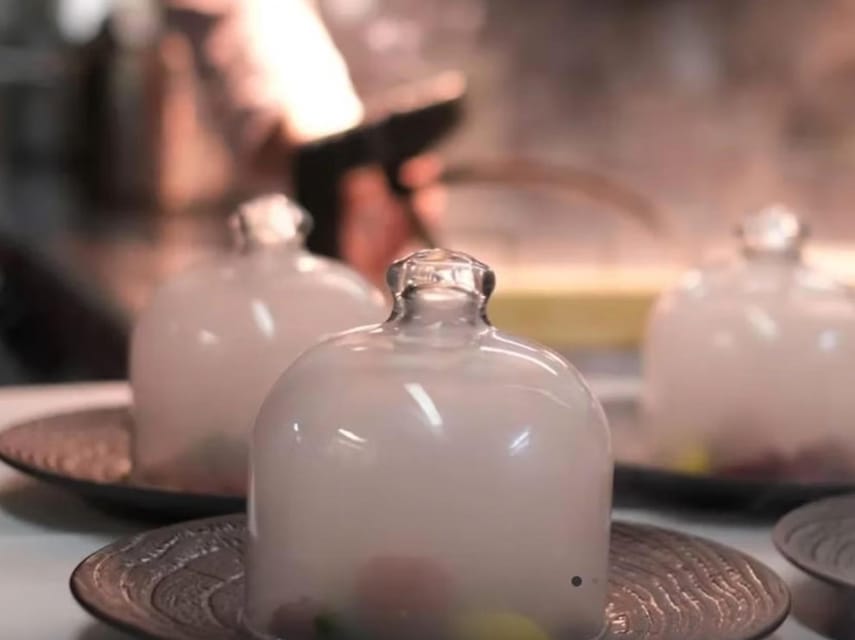
Here’s what you get as part of the experience:
- A three-course menu
- Three glasses of Valais wine
- Coffee
- A digestif
- Cab ride to the other restaurants
- A surprise gift
What’s not included is additional drinks. That matters if you like to keep sipping beyond the included wine glasses. You’ll want to plan for that ahead, especially if you’re the type who likes to pair and chat your way through a meal.
Also, the tour is built around a private setting for the meal. That’s usually a calmer atmosphere than a typical dining room. Even if your group is small, you’ll still be in a more controlled environment for eating and learning.
Who this tour is best for
This is ideal for people who want something more hands-on than a standard food walk. If you’re the type who cares about how dishes are made, the tour should feel satisfying from start to finish.
It also suits couples and small groups who prefer a quieter experience over a loud tasting circuit. With a maximum of 4 participants, you can expect more personal attention.
Language is German and English, so you’ll be fine if you speak either. And it is wheelchair accessible, which is a plus if you need mobility support and still want a behind-the-scenes experience.
One clear limitation: it is not suitable for children under 16. If you’re traveling with teens, check suitability with the operator, but the posted guidance points toward an adult-focused experience.
Price and value: is $167 actually fair?
$167 per person is not cheap, but it can be good value depending on what you expect.
You’re paying for more than the meal. You’re paying for:
- Access to three kitchens
- Guided explanations of ingredients and techniques
- A private, regional three-course meal
- Three glasses of Valais wine
- Coffee and a digestif
- Cab rides between stops
- A surprise gift
If you were to recreate that day on your own, the biggest cost you’d feel would be the access piece. Regular restaurants do not provide kitchen time, close-up stove viewing, and structured behind-the-pass learning for a group. Add in the fact that the group is tiny, and the “per person” cost starts to make sense.
The risk is simple: if you mostly want a nice dinner and you do not care about the kitchen part, this price will feel steep. In that case, you might be happier with a great Zermatt restaurant instead.
A quick reality check before you book
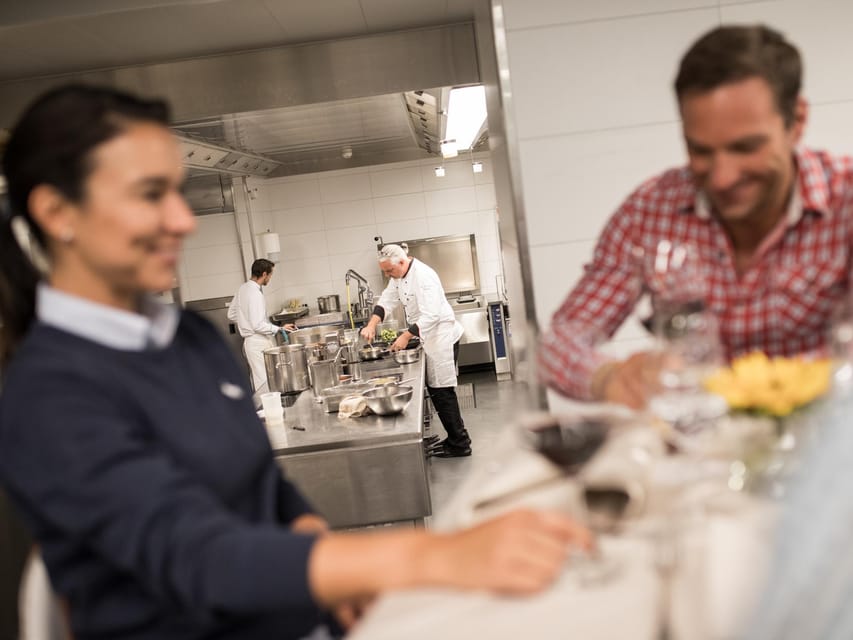
Based on the kind of expectations this tour sells, I’d treat this as a kitchen-focused experience first, meal second. If that matches your mindset, you’ll likely love it.
Still, use a little common sense:
- Confirm the three-kitchen structure is actually what you’ll experience on your date, including the specific stops in the season you’re traveling. Summer names include Hotel National, Beausite, and Walliserhof.
- Go with the understanding that you are in professional spaces. You’ll be close enough to watch cooking, but kitchens run by safety and workflow rules.
- If you are picky about the wine, remember additional drinks are not included. The three glasses are part of the program.
One low-rating experience described disappointment with organization and access, including less kitchen visibility than expected. That’s exactly why I recommend you ask direct questions when booking, especially about which kitchens you will physically visit and when you can expect to see active cooking.
Should you book the Zermatt gastro tour through kitchens?
Book it if you check these boxes:
- You want hands-on culinary insight, not just a plate
- You like regional Swiss food and want the story behind it
- You enjoy pairing food with Valais wine
- You prefer a small group where you can ask questions
Skip it if:
- You mainly want a big, flexible dinner evening and you do not care about kitchen access
- You’re extremely sensitive to any mismatch between what you expected and what you get, because this is a structured experience with specific stops
- You’re traveling with younger kids, since it is not suitable for children under 16
FAQ
How long is the Zermatt gastro tour through kitchens?
It lasts 3 hours.
What is the price per person?
The price is $167 per person.
What is included in the tour?
You get a three-course menu, three glasses of Valais wine, coffee, a digestif, cab rides to the other restaurants, and a surprise gift.
Are drinks beyond the wine included?
No. Additional drinks are not included.
Where do you meet in summer and winter?
In summer, you meet at Hotel National, Matterstrasse 39, 3920 Zermatt. In winter, you meet at Restaurant Mirabeau, u. Mattenstrasse 12-14, 3920 Zermatt.
How many people are in the group?
The group is limited to 4 participants.
Is it suitable for children and is it wheelchair accessible?
It is not suitable for children under 16. It is wheelchair accessible.
Tours, compared.
City Tour, Cruise, and Lindt Home of Chocolate Visit
Read our review →
Mount Titlis with Ice Flyer & Lucerne Day Tour
Read our review →
Award-Winning Geneva Chocolate &Old Town Tour with Boat Ride (3h)
Read our review →
City Highlights Tour by Bus, Cable Car, and Ferry
Read our review →
Milan to St. Moritz: Scenic Bernina Train Tour with Guide
Read our review →
Heidiland and Liechtenstein Tour from Zurich
Read our review →