
Reviewed · WALKING TOURS
Bern: Political Walking Tour with a Diplomat
A Bern political walking tour stands out because you are not just sightseeing, you are learning how Switzerland actually runs, one decision and one street corner at a time. I especially like the format: a former diplomat turns the Swiss political system into plain language you can picture while walking. I also like the mix of big landmarks and smaller local details, including the fountains of Bern.
Two things I like a lot are the insider comparisons to other political systems, and the way the guide uses real-life Swiss examples, from social peace concepts to even chocolate as a cultural clue. One drawback to plan for: because this is a short private walk and it runs rain or shine, you may not have time for every single stop listed, and there are no museum-type ticketed visits built in.
Key Highlights You Can Expect on This Bern Walk
- Former diplomat guide who explains Swiss politics with real-world context
- Old City UNESCO setting that turns the walk into a living textbook
- Main sights like Bernese Minster, Münsterterrasse views, and Parliament Square
- Local secrets such as Freibad Marzili and the fountains of Bern
- Policy-shaped stops like Von Wattewyl House and Käfigturm, now used for discussions
Why a Diplomat’s Walk Through Bern Feels Different
Bern can look like a classic postcard city, but this tour is built to show you the other layer: the country’s political DNA is written into everyday spaces. You will walk through the places where Swiss democracy is symbolized, tested, and discussed, then you will contrast that with quieter sites that reveal how local life supports the system.
I like that the guide does not treat politics like a distant lecture. You get human-scale stories, like why Switzerland’s neutrality matters, or how integrative personalities such as Henri Dufour and Ernst Bloch fit into the national mindset. The goal is not memorizing dates, it is understanding the logic that keeps the machine working.
A big part of the value is comparison. The guide helps you see why Switzerland’s system works the way it does and what it changes compared to other political setups. That makes the tour useful even if you already know a few basics about Switzerland.
More Walking Tours in Bern
- Bern Walking Tour: Explore Top Sights & Hidden Gems
★ 5.0 · 108 reviews - Bern Private Walking Tour with a Local
★ 4.5 · 75 reviews - Bern: Private Walking Tour with a Local Guide
★ 4.9 · 57 reviews
Parliament Square, Old City Streets, and Getting Your Bearings Fast
You start in Bern with pickup and a walking route designed to cover a lot in 2-3 hours. The pace is steady and practical, the kind that lets you absorb details without feeling rushed. Since it is a private group, you also have room to ask for specific interests on the spot or in advance.
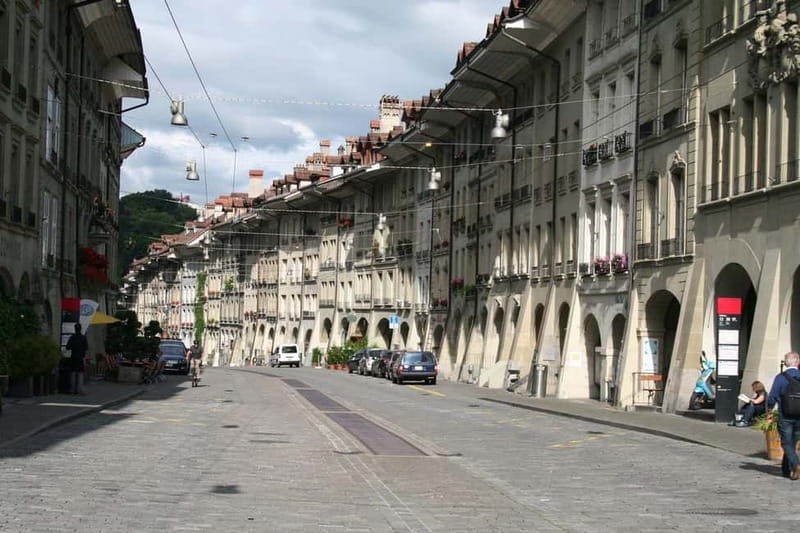
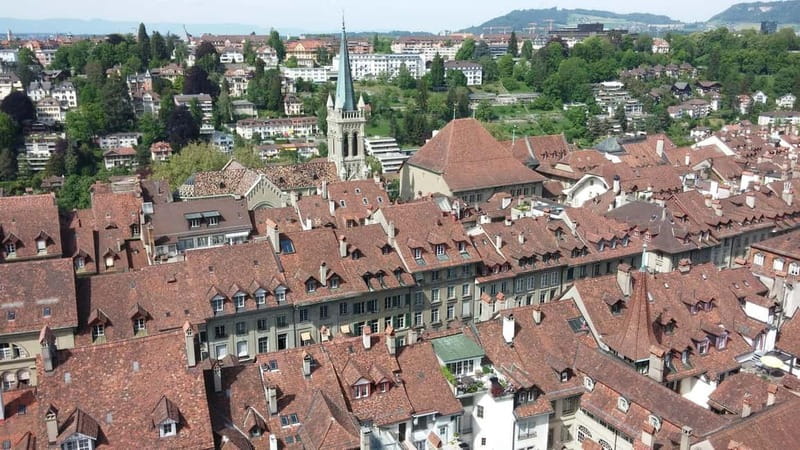
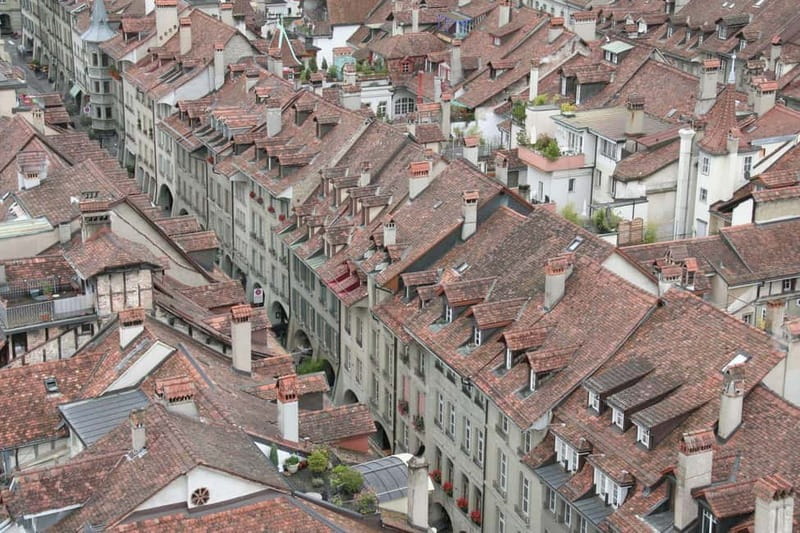
You will spend time in Bern’s Old City, a UNESCO World Heritage site since 1983. That matters because the old layout is not just pretty, it influences how people move, gather, and debate. When you see how tightly the streets are stitched together, the city’s “everyone can participate” feel makes more sense.
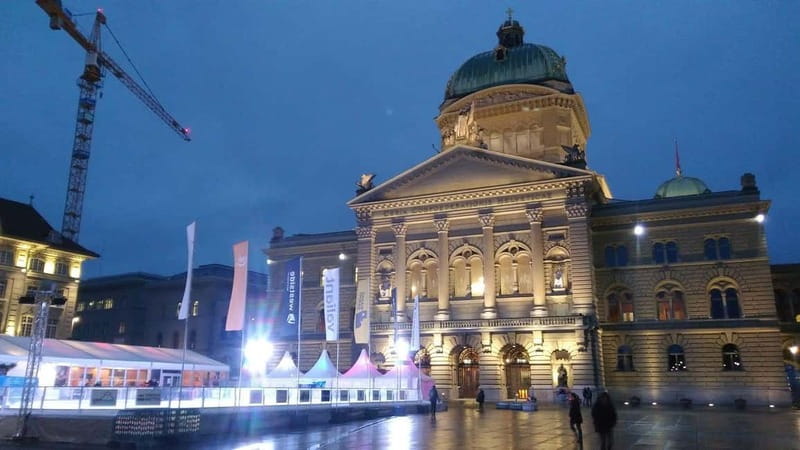
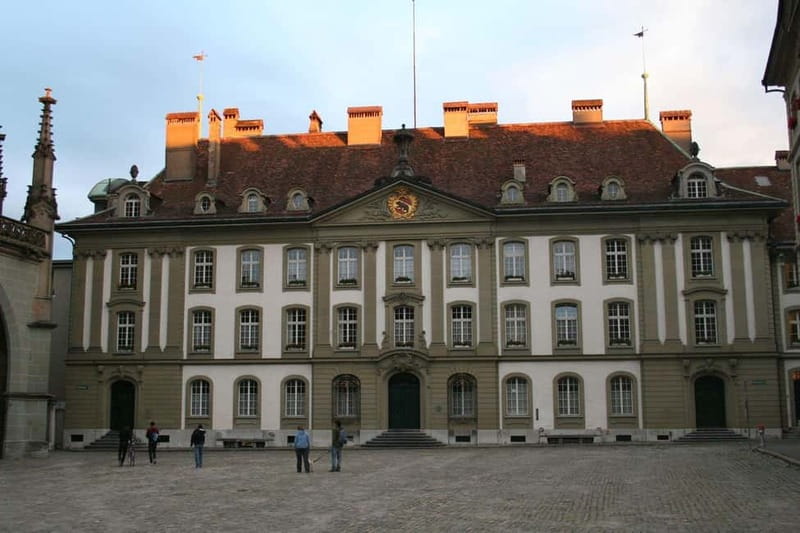
Then comes the heart of Swiss democracy: the Parliament Building and Parliament Square. This is the moment where the tour’s political focus becomes unmistakable. You are not just pointing at a building, you are connecting it to the idea of social agreements and a system that depends on compromise, not domination.
Bernese Minster, Münsterterrasse Views, and the City’s Symbol Power
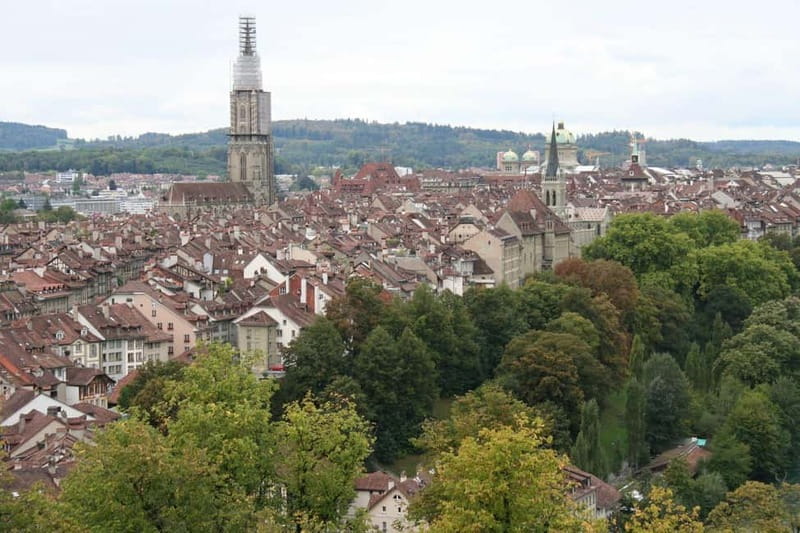
Bernese Minster is the kind of landmark that makes people stop walking. The tour includes it for a reason: you are meant to see how civic pride and faith architecture share space in the capital. The Minster’s spire is the highest church spire in Switzerland, and that visual height becomes a symbol you can hold in your head while the guide talks about national identity.
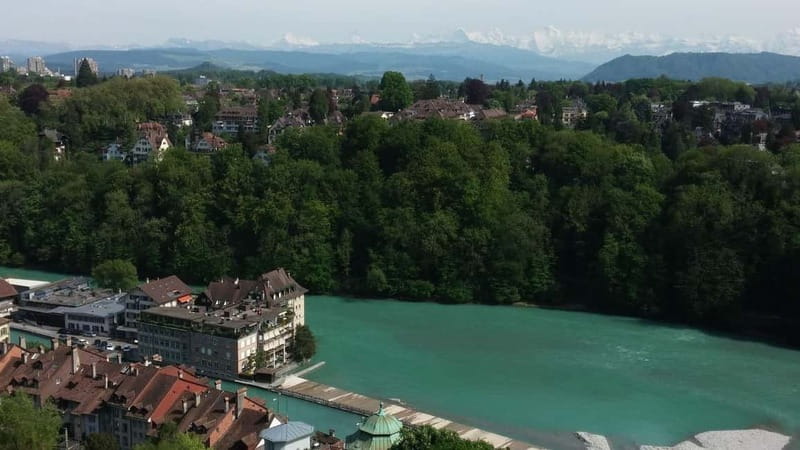
Next you may reach Münsterterrasse, the Minster Terrace. If the weather behaves, the views over the river Aare and toward the Alps are exactly the kind of payoff that makes a political walk feel human. This is where you shift from “what system is this?” to “what country looks like this?”
One practical tip: plan to pause. Even if you are not the type to linger, the terrace angle is a good place to take a breath, then get back to the story. If your group is watching the guide rather than the view, you will feel the time pressure.
Zytglogge and the Everyday Drama of Time, Gates, and Control
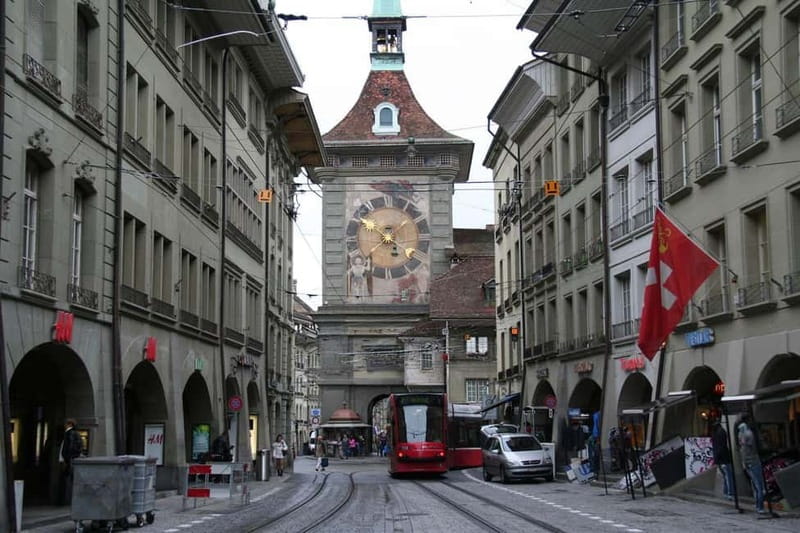
The tour can include Zytglogge (the Clock Tower), once a city gate and now a magnet for spectators. This stop is useful because it shows how Bern’s past infrastructure still shapes today’s public space. A gate is about movement and rules, and a clock tower is about shared time, both of which matter in a society built on coordination.
Even when you just watch passersby around Zytglogge, you start to understand the tour theme: Swiss life runs on agreements and shared rhythms. The guide’s explanations of how Switzerland’s system operates click better after you have seen a place where old functions turned into public culture.
If your group is more photo-focused, this is a strong stop. If you hate crowds, you might want to stand slightly to the side and let the flow pass, then circle back for photos.
A different kind of day out of Bern:
- Bern: Zytglogge – Tour through the Clock Tower
★ 4.7 · 757 reviews - Bern: 90-Minute Stroll Through the Old Town
★ 4.4 · 667 reviews - Bern: Chocolate Tasting Tour
★ 4.8 · 91 reviews - Bern: Private Walking Tour with a Local Guide (Private tour)
★ 4.7 · 54 reviews
Fountains of Bern and Freibad Marzili, the Local Life Side of Politics
Now you get to the stops that make Bern feel lived-in. The fountains of Bern are colorful, detailed, and full of figures that look like they were designed to be read slowly. This matters for the tour because they are not just decoration, they are public storytelling. The guide’s point is that civic culture is expressed everywhere, not only in formal institutions.
You may also visit Freibad Marzili, a riverside pool that many people think of as a local favorite. It is an excellent contrast to Parliament Square. One place represents formal decision-making, the other shows social life, relaxation, and how communities share space. If you want to understand how agreements show up in daily routines, this is a great stop.
Here is the thing to watch: if it is wet weather, you might not want to linger as long near fountains or pool areas. Still, you can get the atmosphere quickly and then let the guide move the story forward.
Policy-Making Spaces: Von Wattewyl House and Käfigturm
Two of the most intriguing parts of the walk are the stops that feel almost hidden. Von Wattewyl House is described as a very important place for Swiss policy-making. Even without heavy museum time, it can give you a sense that policy is not only created in grand buildings. It is shaped by people, networks, and long conversations.
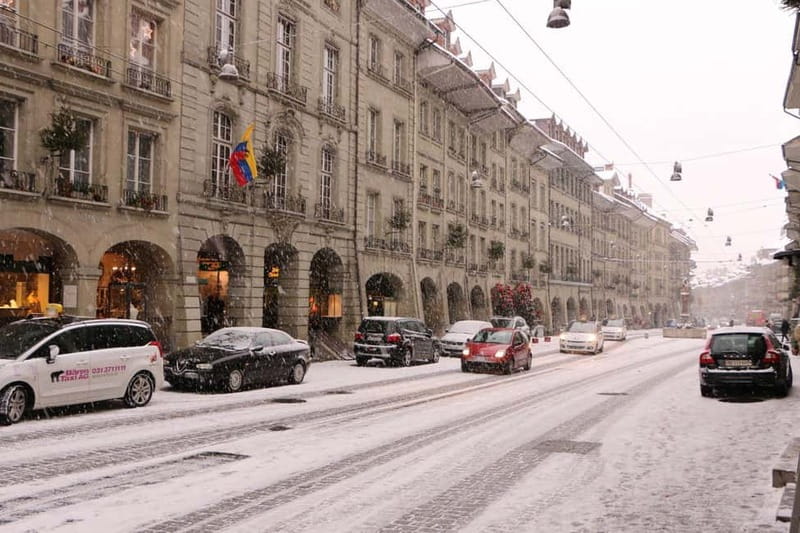
Then there is Käfigturm (Prison Tower). Historically, it was where criminals were interrogated and locked up. Today, it is used as a space for political discussions. That transformation is the kind of symbolic pivot the tour wants you to notice. It is a reminder that political systems are not just about power, they are also about how societies treat conflict, law, and dialogue.
If you like history that changes meaning over time, these stops can become the emotional center of the tour. If you prefer purely scenic landmarks, you may find these more thought-based than photo-based, but they still work because the guide connects each place to the bigger political story.
Swiss Neutrality, Female Presidents, and the Stories Behind the System
This tour is not only about where democracy happens, it is about the values and pressures that shaped it. The guide covers the key elements of Switzerland’s famous neutrality and how that neutrality influenced national decisions and identity.
You will also learn about the unusual fact that Switzerland has had more female presidents than any other country, while the right to vote for women was introduced in 1971. I like that the guide ties this timeline into the broader picture, because it keeps the conversation from turning into trivia. It becomes a window into how rights, structures, and political leadership connect in practice.
The tour also includes a theme that sounds surprising at first: the role of chocolate. You can expect the guide to use familiar Swiss cultural symbols to explain deeper ideas about identity and social cohesion. It is a smart technique because it makes political concepts easier to remember.
Then there is the social peace theme. The guide explains the social peace agreement and why it is working, including how it compares to other systems. If you have ever wondered how a small country avoids constant political chaos, this is where you start to understand the mechanism, not just the slogan.
What Other Landmarks Might Show Up in Your Route
The tour is flexible, so you might not see every listed stop. But it is built to cover the main sights first, then weave in hidden secrets based on time and your interests.
Other possible stops include:
- BärenPark (Bern Bear Park), known far beyond Switzerland
- Rosengarten (Rose Garden) with around 250 varieties of roses
- Französische Kirche, described as the oldest sacred building in Bern
- Ländtetor, a small restored site tied to the ancient port
If you care most about architecture and city view angles, prioritize the Minster and Münsterterrasse moments. If you want the local contrast, push for the fountains and Freibad Marzili. If you are politically curious, Von Wattewyl House and Käfigturm are worth making time for.
The guide will also adjust depth. This tour is customizable, so you can ask for more explanation at the stops that interest you most and move quickly past the ones you do not need.
Price, Private Group Value, and When This Is a Smart Spend
At $155 per person for a private 2-3 hour walk, this is not a budget group tour price. But it is also not a luxury add-on with little substance. The value is the guide, a former diplomat who can explain political systems and why they work, not just point out buildings.
This price makes the most sense if:
- You want real context on Swiss democracy and neutrality, not generic sightseeing
- You prefer questions over monologue, since it is a private group
- You like combining major landmarks with quieter local culture
If you are the kind of traveler who only wants photos and quick facts, you might be better off with a self-guided route. The strength of this tour is interpretation, not speed.
Weather, Walking Time, and How to Get Comfortable
The walk runs rain or shine, so bring layers and shoes you can trust on wet stone. You are outdoors most of the time, and it is designed for walking rather than museum-style downtime.
If you want to avoid fatigue, I suggest wearing comfortable footwear and planning a short break after the tour. You will likely process a lot of information fast, and your feet will thank you for a calm landing.
Should You Book the Bern Political Walking Tour With a Diplomat?
Book it if you want Bern to mean something beyond views. I think this tour is ideal for curious travelers who enjoy how systems work, who like guided discussion, and who want their landmarks connected to the real Swiss story.
Skip it or choose another format if you want only the highlights with minimal explanation. This is a guided learning walk, not a quick hit. Also, since it is only 2-3 hours and not every stop is guaranteed, decide what matters most to you: the Parliament Square focus, the Minster terrace views, the fountains and riverside life, or the policy-shaped historic corners.
FAQ
How long is the Bern political walking tour?
It lasts 2-3 hours, depending on the route your guide adapts and how long you spend at each stop.
Is this tour private?
Yes, it is a private group experience.
Who guides the tour?
The tour is led by an expert guide who is a former diplomat.
What languages are available?
The live guide speaks English, French, German, and Spanish.
Do I need tickets for entry fees?
Tickets for attractions with entry fees, such as museums, are not included. Since it is a walking tour, public transport tickets are also not necessary.
What are the main sights included?
You can expect to see major sights such as the Bernese Minster and Parliament Square, and the route may also include places like Zytglogge, BärenPark, and Rosengarten depending on time.
Does the tour run in bad weather?
Yes, the tour runs rain or shine.
Recently reviewed around Bern
- Strolling Tour Medieval Town Bern Walking City Tour★ 5.0 · 4 reviews
- From Bern: Thun City Tour, Beatus Caves, Lake Cruise and Cheese★ 5.0 · 4 reviews
- From Bern: Swiss Alps, Lauterbrunnen, Beatus Caves Small Group★ 5.0 · 5 reviews
- From Bern: Premium Panoramic train, Lucerne & Interlaken Tour★ 5.0 · 5 reviews
- Zermatt & Mt. Gornergrat Small Group Day Trip from Bern★ 5.0 · 11 reviews
- Self-Guided Audio City Tour in Bern★ 4.0 · 17 reviews
- Thun Foxtrail Castello★ 4.5 · 4 reviews
- Best Intro to Bern in 2 hours with a Local★ 4.5 · 20 reviews
Walking Tours, compared.
Zurich Walking Tour With Cruise and Aerial Cable Car
Read our review →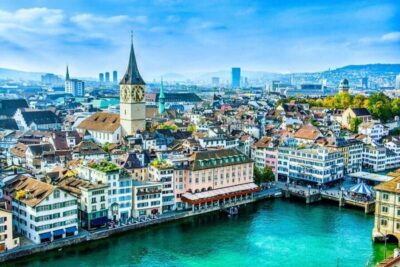
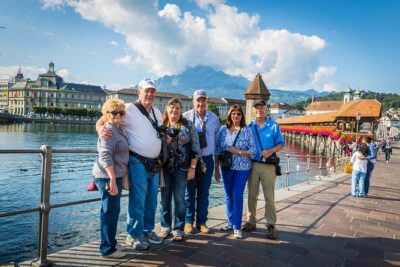
Lucerne Walking & Boat Tour: The Best Swiss Experience
Read our review →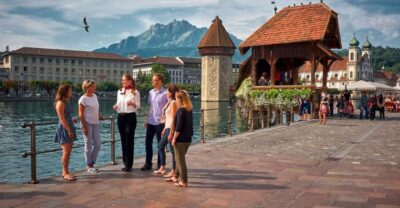
3 in 1: Zurich Walking Tour – Cruise on the Lake – Cable Car Ride to Felsenegg
Read our review →Browse the lists this tour appears in