
Reviewed · CITY TOURS
Lucerne: Classic City Walking Tour
Lucerne is one of those rare cities where a short walk can feel like reading a timeline. This 2-hour route connects symbolism, politics, and art in a way that makes the streets feel purposeful, especially around the Lion Monument.
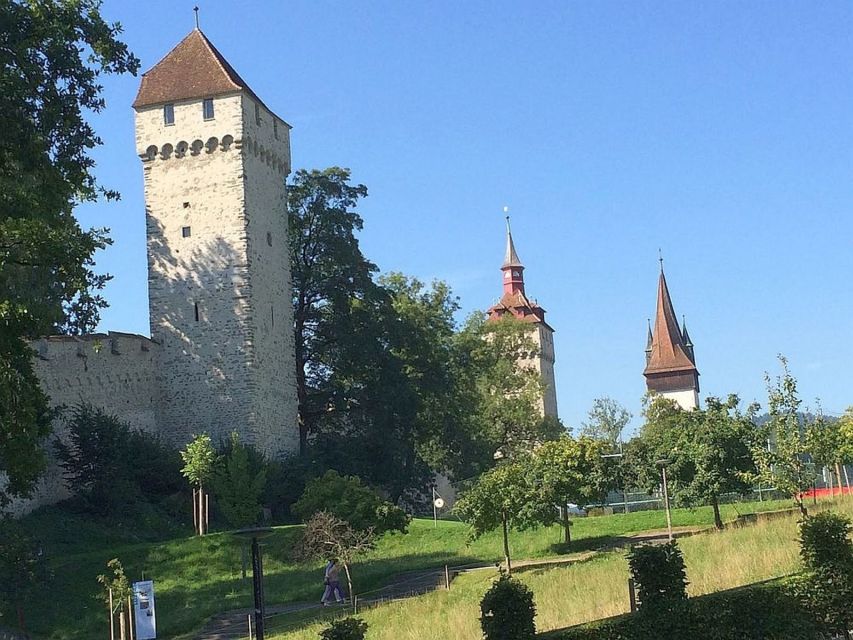
I love how the guide turns famous sights into clear stories, and not just photo stops. A second highlight for me is the Musegg Wall towers and their late-medieval clockwork, which helps you picture how the city once defended itself.
One thing to keep in mind: pacing is steady, and you can miss interior access if you travel at the wrong time. Ritter’s Palace is closed on Saturdays, Sundays, holidays, and special events, and the Musegg Wall towers are closed from November through April (inside access not available).
Key Points You’ll Actually Remember
- Lion Monument meaning, tied to the fallen Swiss mercenaries and the French Revolution
- Musegg Wall towers and clockwork, showing how medieval Lucerne measured time and defense
- Pilatus spring water at the old town well area, with an easy explanation for why it is prized
- Peterskapelle as the first church in Lucerne dating to the 12th century
- Jesuit Church interior, including its status as Switzerland’s first Baroque church (when open)
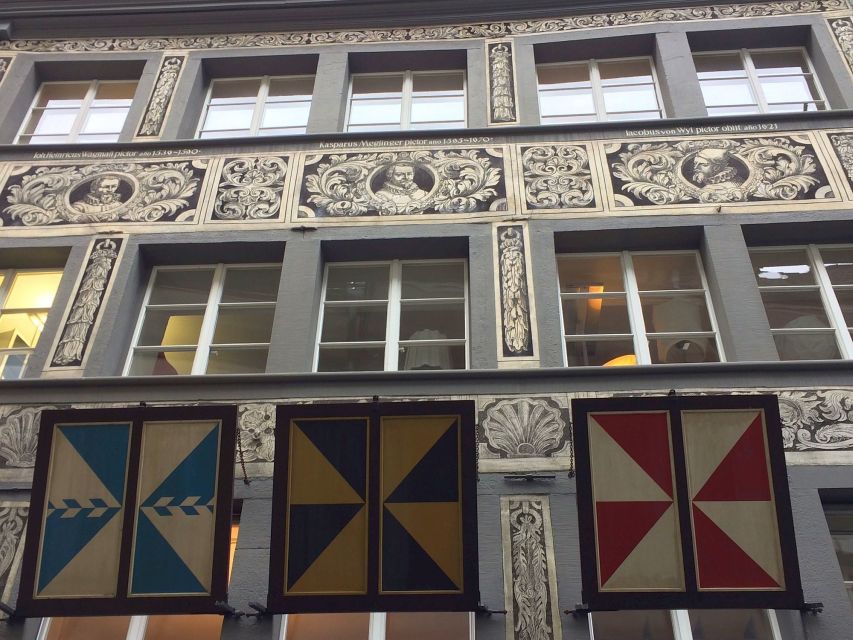
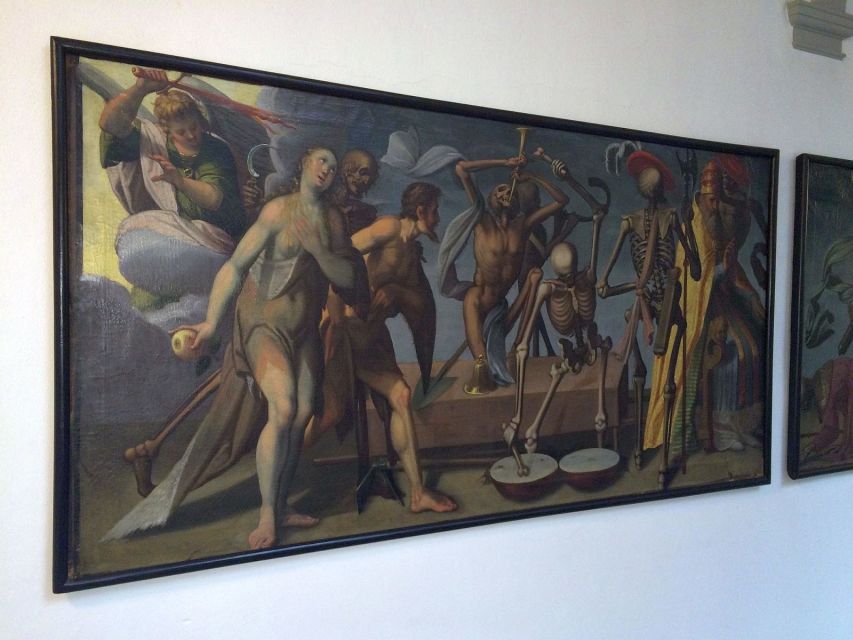
- Danse Macabre paintings, presented as seven artworks linked to Jakob von Wyl around 1610
Lucerne Turns Into a Story on Foot
This tour is interesting because it does not treat Lucerne like a checklist. You walk through the historic center, but the guide gives context as you go, so each stop feels connected to the next.
You’ll also like that the group is private, and the guide meets you directly at your hotel reception in Lucerne. Before you start, you get a route briefing on a city map, which helps you orient fast and keeps the walk from feeling random.
The big value here is interpretation. When you understand why the city built fortifications, why certain tragedies are memorialized, and how major art cycles like Danse Macabre fit into the era, Lucerne stops being “pretty” and starts being meaningful.
More City Tours in Lucerne
- Lucerne: eTukTuk City Tour
★ 4.9 · 268 reviews - City Tour Plus Lucerne by Etuktuk
★ 5.0 · 120 reviews - Tony`s private city tour with picnic & chocolate degustation
★ 5.0 · 80 reviews
From Bourbaki Museum to the Lion Monument
The walk starts with a friendly hotel reception meet, then you head toward the Bourbaki Museum, where the guide shares historical context before you even reach the postcard scenery. That early setup matters. It primes you to notice symbolism and political history rather than just architecture.
From there, you move on to the Lion Monument, one of Lucerne’s most powerful memorials. It shows a dying lion and commemorates fallen Swiss mercenaries who died during the storming of the Royal Palace, in the turmoil of the French Revolution. The guide’s explanation turns the stone into a story you can track, which is especially useful if you’ve seen memorials elsewhere but want to understand Lucerne’s specific angle.
Right after, you get a short walk up toward the Musegg Wall hill area, where medieval fortifications shape the rest of your route. If you’re the type who usually rushes through statues and plaques, this is the moment where the tour’s pacing starts to make sense.
Musegg Wall Towers and Late-Medieval Clockwork
About a 10-minute walk takes you to the hill of the Musegg Wall, the still-preserved part of Lucerne’s outer city fortification. It’s the kind of place where you can feel how “defense architecture” becomes landscape, especially once you see the wall sections and towers up close.
You’ll visit two towers, the Schirmerturm and the Zeitturm, including the clockwork from the late Middle Ages. That detail matters. Medieval towers were not only about protection, they were about time, order, and communication in a pre-digital world.
The guide also ties the towers to bigger Swiss themes, including wars of liberation, territorial expansion policy, and armed neutrality. If you like facts that explain the present, this is one of the best stretches of the tour. It’s not abstract. It connects real geography and real buildings to how Switzerland thought about itself.
Two practical notes to plan around: the Musegg Wall towers have inside closures between November and April, and the tour runs in all weather, so you’ll want layers and good walking shoes.
Wine Market, Pilatus Spring Water, and Peterskapelle
Once you drop back into the city center, you get a nice blend of “stop-and-look” sights and small moments that add flavor to the walk. One is the wine market, where you can see the city’s oldest fountain. It’s not a huge attraction in size, but it’s a great example of how Lucerne’s older parts keep working, not just posing for photos.
Then comes one of the more memorable “local habit” details: you can drink pure Pilatus spring water. The guide explains why the old town well area flows the best water in Lucerne. You don’t need to be a water nerd to appreciate this. The explanation helps you notice how towns like this were built around reliable sources, long before bottled water existed.
You continue through Furrengasse to Peterskapelle, the first church in Lucerne dating back to the city’s founding in the 12th century. That age is your clue that you’re walking in a layered place. The alleyways and small streets feel normal until the guide makes you connect them to where the city started.
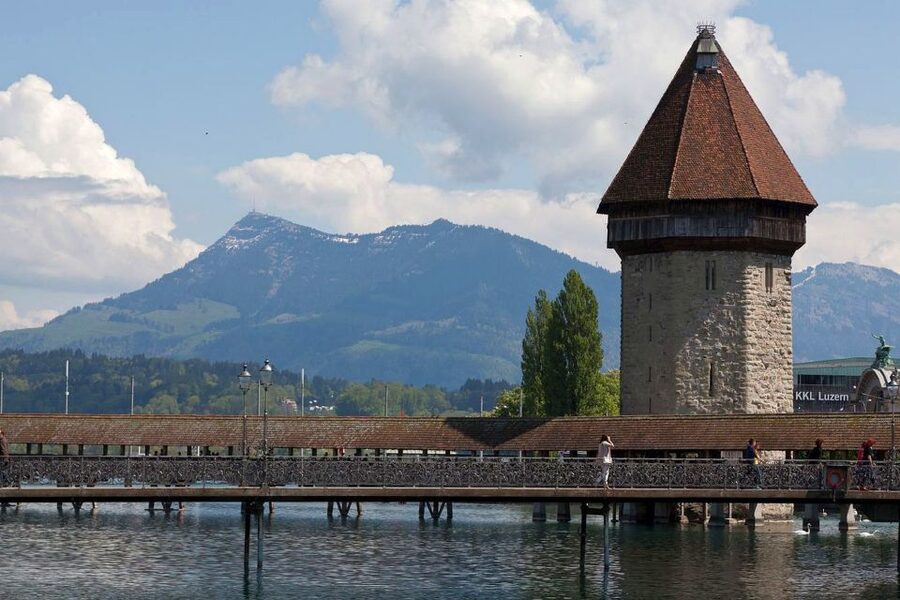
Next you cross the Chapel Bridge to the other side of the historic center. It’s one of the world-famous sights in Lucerne, but the benefit on this tour is that it lands after you’ve already learned how the city formed. The bridge stops being a standalone landmark and starts feeling like part of a system.
More Walking Tours in Lucerne
- Lucerne: Private Walking Tour with a Local Guide
★ 4.6 · 450 reviews - Lucerne Walking & Boat Tour: The Best Swiss Experience
★ 4.5 · 417 reviews - Lucerne: Guided Walking Tour with an Official Guide
★ 4.7 · 321 reviews - Exclusive Private Lucerne Walking Tour with Local Guide 3 Hours
★ 5.0 · 80 reviews
Jesuit Church, Ritter’s Palace Courtyard, and Danse Macabre
After the bridge, you reach the Jesuit Church. You can visit the inside, but only when services are not happening. This is a major architectural moment because it is described as the first Baroque church in Switzerland, so it signals a shift in style and ambition.
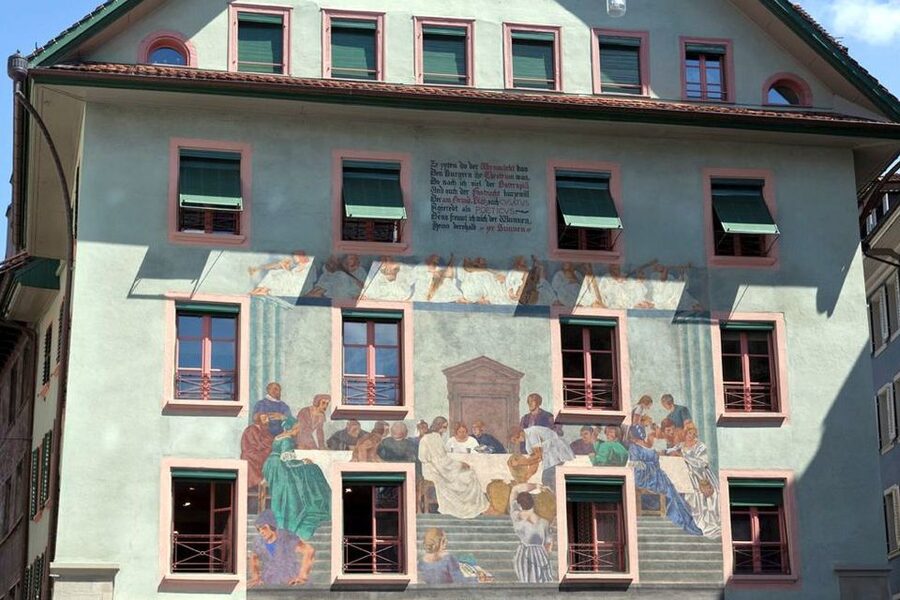
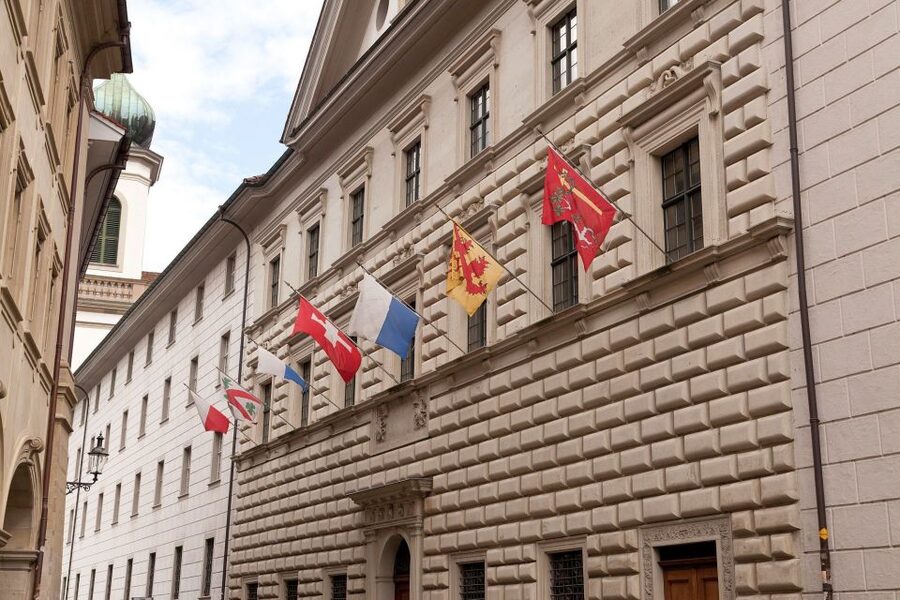
From there, you move onward to the cantonal government building and the former Ritter’s Palace, plus impressive Renaissance palazzos around the area. The guide focuses on the courtyard with loggias and includes the story tied to the stone carvings of the stonemason Hans von Trient. You might not catch the meaning just by looking, but explained on the spot, the detail becomes part of the larger human story of the city.
Finally, you end with a presentation of the seven Dance of Death paintings (Danse Macabre). These were created around 1610 by Jakob von Wyl. This ending works well because it’s art that matches the tour’s mood. Earlier you dealt with memorials and fortifications. Now you get a Renaissance-era reminder that everyone, even the powerful, shares the same fate.
If your dates fall on a weekend or holiday, remember: Ritter’s Palace is closed to inside visits on Saturdays, Sundays, holidays, and special events. The exterior experience may still be worthwhile, but your interior stops could be limited.
What It Costs, How to Plan Your 2 Hours, and Who This Fits
At $323 per person, this is not a budget stroll. You are paying for a local guide, a private group, and pickup from Lucerne hotels, plus the tour’s focus on interpretation and access when interiors are open.
The 2-hour length is also a clue about priorities. This is built to cover Lucerne’s major landmarks with enough context to make them stick, without turning into a half-day marathon. If you’re juggling multiple activities or you only have a short window, it’s a good structure.
A few practical planning tips based on how the tour operates:
- You might need a bus ticket from your hotel to the old town and back, depending on where you’re staying.
- If you stay in a Lucerne hotel, you should check with reception for a free public transport ticket for your entire stay.
- The tour runs in all weather, so dress accordingly and protect yourself from wind around the wall and bridge areas.
- The start point is reception, so arrive a few minutes early and confirm you are in the right place.
One more human tip: in at least one experience shared by an English-speaking guest, the meeting coordination could have been smoother before the walk began. That doesn’t mean it will happen to you, but it is smart to plan like a pro, show up on time, and if you don’t see your guide right away, ask the front desk to help you locate the group.
This tour is a strong fit if you want Lucerne to feel personal and readable, not just scenic. It also suits people who enjoy art and symbols, since Danse Macabre and the memorial elements do a lot of emotional work on this route.
Should You Book This Lucerne Classic City Walking Tour?
If you want Lucerne with meaning, book it. The mix of memorial art (Lion Monument), medieval structures (Musegg Wall towers), and major interior moments (Jesuit Church, and Ritter’s Palace when open) gives you a well-paced story in just 2 hours.
The only reason not to book is timing. If you’re traveling on a weekend or holiday, or you’re in the November to April window, you should expect reduced interior access for Ritter’s Palace and the Musegg Wall towers. If that affects you, tell yourself you are still getting a strong outside-and-context walk.
FAQ
How long is the Lucerne Classic City Walking Tour?
The tour lasts 2 hours.
What’s included in the price?
You get a walking tour with a local guide.
Does the tour pick me up from my hotel?
Yes. Pickup is included from all hotels in Lucerne.
What languages is the guided tour offered in?
The live tour guide is available in English and German.
Are all interior sites always open?
No. Ritter’s Palace is closed inside on Saturdays, Sundays, holidays, and special events. The Musegg Wall towers are also closed to inside visits between November and April.
Do I need public transportation to reach the old town?
You may require a bus ticket from your hotel to the old town and back. If you stay in a Lucerne hotel, you should receive a free public transport ticket for the entire stay at reception.
Is the tour run in bad weather?
Yes. It is conducted in all weather conditions, so you should dress accordingly.
Recently reviewed around Lucerne
- Walking Tour – Around the Old Town Lucerne★ 3.5 · 3 reviews
- Lucerne Scavenger Hunt and Highlights Self Guided Audio Tour★ 4.5 · 3 reviews
- Lake Interlaken, Day Pass Lake Brienz, 2nd class★ 2.5 · 3 reviews
- Private city tour in lucerne★ 5.0 · 4 reviews
- Historic Lucerne: Exclusive Private Tour with a Local★ 5.0 · 4 reviews
- Beginners Ski Day Trip to Jungfrau Ski Region from Lucerne★ 3.5 · 4 reviews
- Ultimate Lucerne Experience: City Tour and Lake Cruise★ 5.0 · 4 reviews
- Private Jungfrau & Bernese Alps Tour-Customizable Scenic Day Trip★ 5.0 · 4 reviews
City Tours, compared.
City Tour, Cruise, and Lindt Home of Chocolate Visit
Read our review →
City Highlights Tour by Bus, Cable Car, and Ferry
Read our review →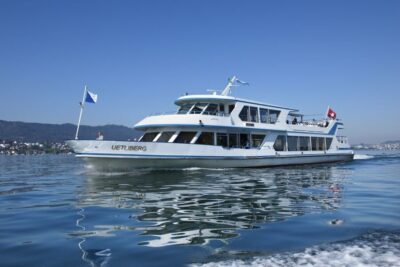
City Bus Tour with Audio Guide and Lake Cruise
Read our review →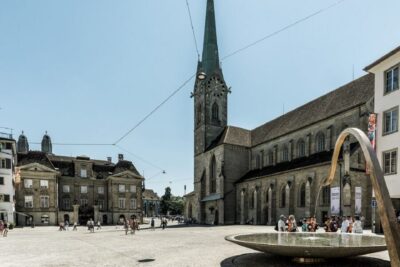
City Tour with Lake Cruise + Optional FIFA Museum
Read our review →
Best of Geneva City Tour: International Area and Old Town
Read our review →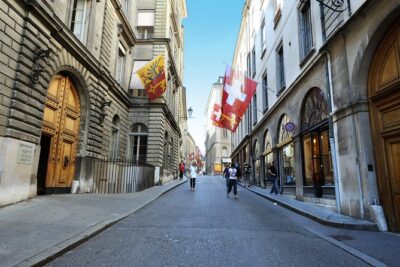
Best of Geneva City Tour with optional boat cruise
Read our review →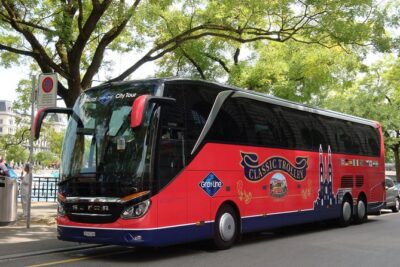
Browse the lists this tour appears in