Reviewed · TICKETS
Prangins, Lake Geneva: Château de Prangins Entry Ticket
Château de Prangins is interesting because you get the feeling of stepping into an 18th-century world, but inside it’s run like a real museum day with Swiss history and culture on the walls. I love the mix of period rooms and museum exhibitions in one visit, and I also like that the estate includes a serious outdoor stop: Switzerland’s largest historical kitchen garden. One consideration is that the site experience can include an audio or scripted component where the sound quality may not be great, so plan to read along when you can.
The château sits between Lausanne and Geneva in the Vaud region, so it’s a smart Lake Geneva add-on if you like history without committing to a full multi-day itinerary. I also like how the ticket covers both the château setting and the Swiss National Museum displays, including permanent and temporary exhibitions, plus access to the reception rooms linked to Louis-François Guiguer, Baron of Prangins. The main “watch out” for your expectations is that it’s a museum visit with rules, including no flash photography and no touching plants.
Key highlights to focus on
- Largest 18th-century castle open to the public in Switzerland with multiple floors and cellars to explore
- Swiss National Museum in French-speaking Switzerland, opened to the public in 1998
- Louis-François Guiguer’s reception rooms plus the exhibition Noblesse Oblige! Life at a Château in the 18th Century
- Permanent and temporary exhibitions on Swiss history, identity, and culture
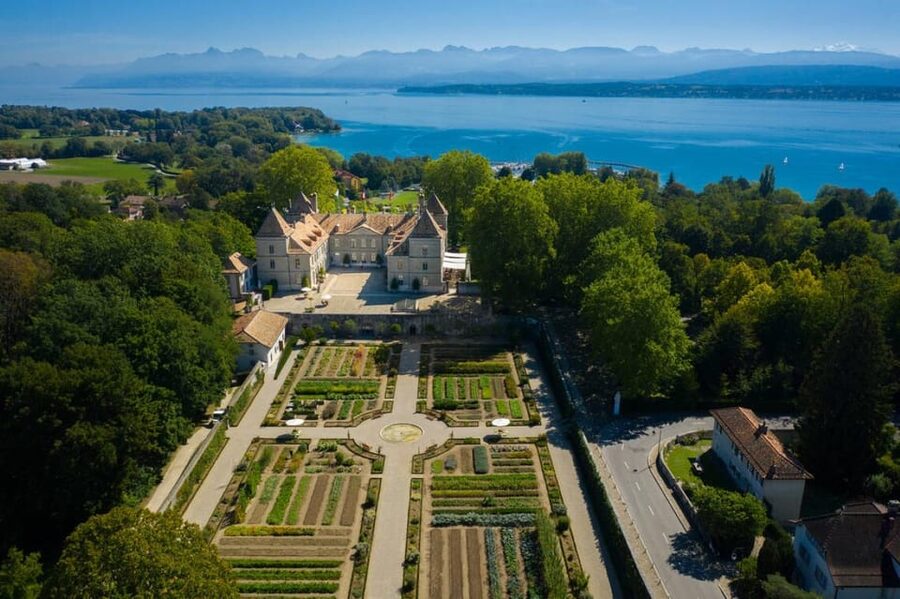
- A 5-hectare estate with park areas, a meadow-cum-orchard, and the country’s biggest historical kitchen garden
- A ticket that can do more than one visit, since it’s also valid for National Museum Zurich and the Forum of Swiss History Schwyz
Château de Prangins: a museum day inside an 18th-century castle setting
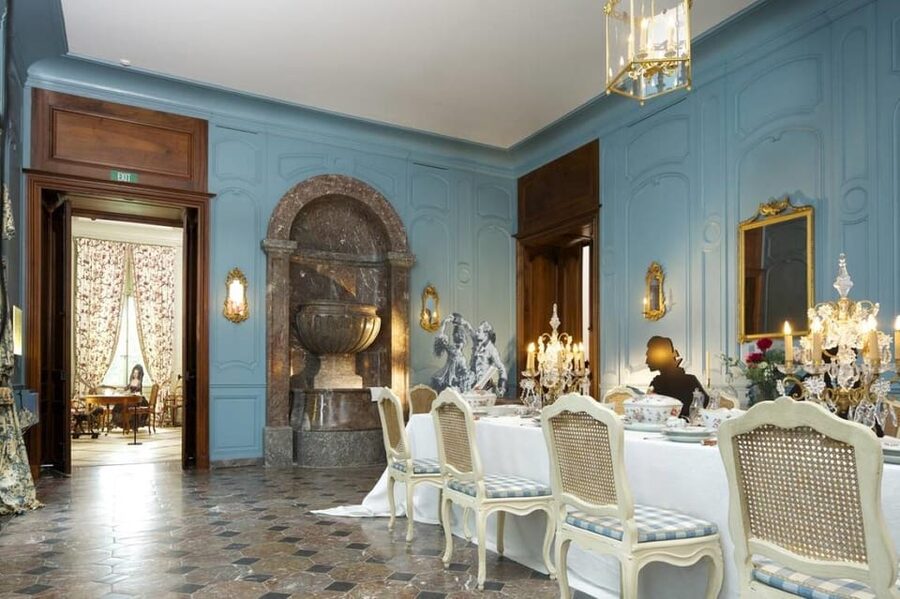
If you like your Swiss history with rooms you can actually picture yourself in, Château de Prangins delivers. It is not just a preserved building with a few signs. It’s the Swiss National Museum in French-speaking Switzerland living inside the château, so you walk through the architecture and then get the ideas, artifacts, and themes that explain Swiss identity and how people saw themselves.
I especially like the way the experience works from two angles at once. First, you’re physically in an 18th-century castle environment, including the reception rooms tied to Louis-François Guiguer, Baron of Prangins. Second, you’re in a museum context that uses permanent and temporary exhibitions to connect that old setting to broader Swiss history and culture.
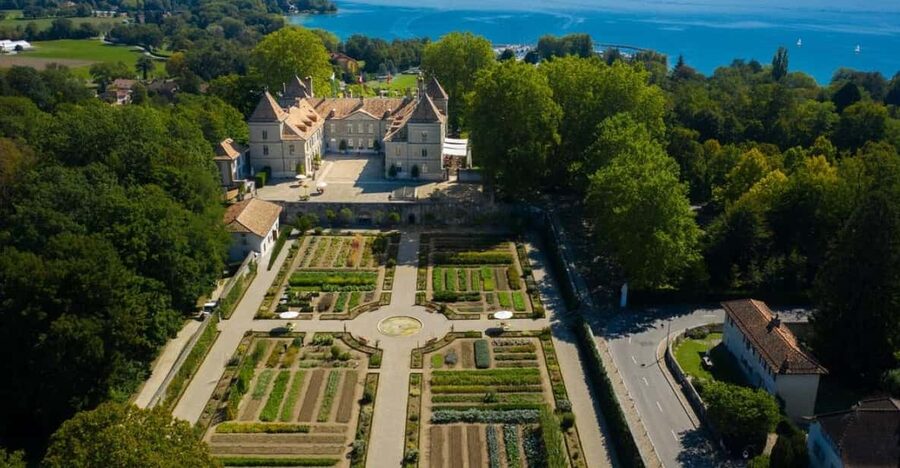
The outdoor part is a real bonus, not filler. The estate covers 5 hectares and includes a park, a meadow-cum-orchard, and the country’s largest historical kitchen garden. That gives you a nice rhythm, museum indoors and slower walking outside.
Where Prangins sits in the Lake Geneva area
Château de Prangins is in Vaud, Switzerland, and it’s positioned between Lausanne and Geneva. That matters because it makes the visit feel like part of a classic Lake Geneva route, not a detour to a remote spot.
If you’re already planning time around Lausanne or Geneva, you can treat this as a focused one-day stop. The ticket is valid for one day, and the experience is designed for that kind of pacing. You can go for the château interiors and then extend into the estate gardens without needing a complex plan.
Inside the château: three floors, cellars, and real reception-room atmosphere
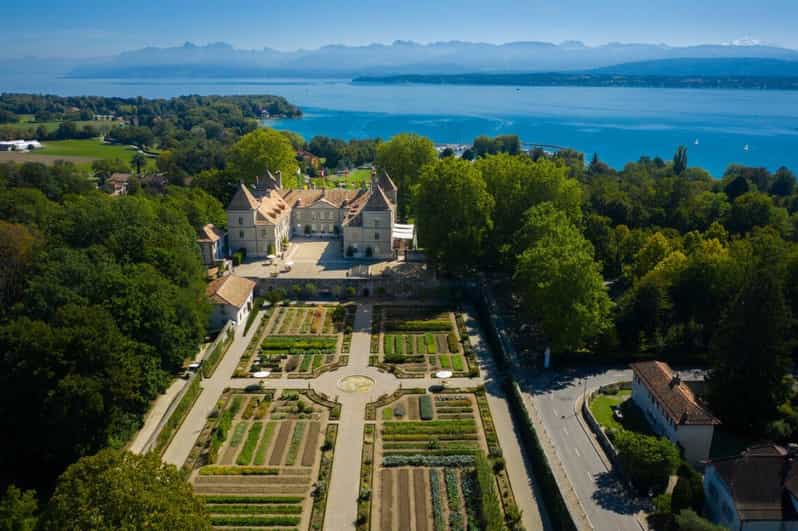
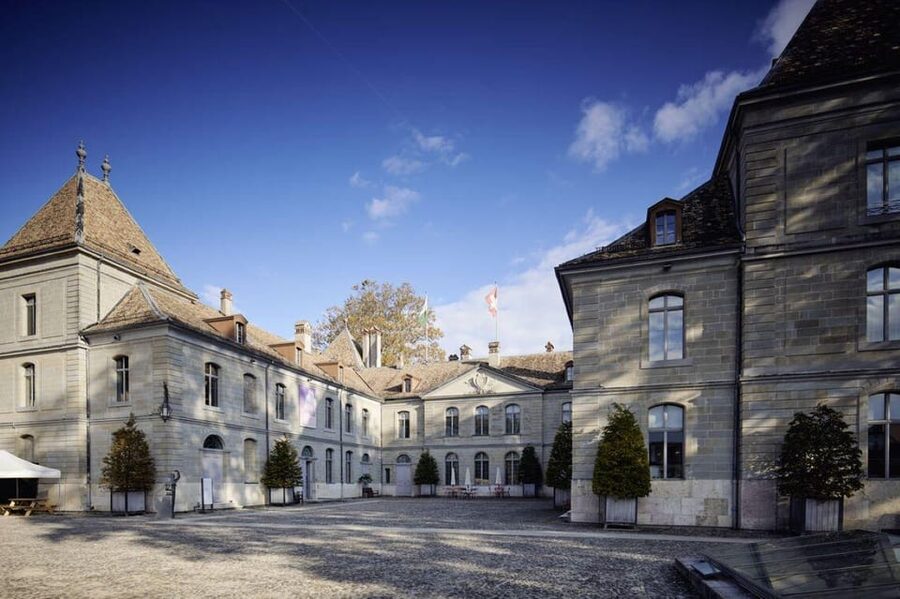
The château visit starts at the main entrance, where you present your voucher. From there, you’re set up for a self-guided walk through the historic building. The experience covers three floors and the cellars, which is a big deal for first-timers. It means you are not limited to a single loop through a couple of rooms.
Here’s the practical way I’d think about it: go where the building layout naturally pulls you, then use the exhibitions to decide what you slow down for. The château is described as a monument of national importance, so the spaces you see are meant to be taken seriously, not just admired from the doorway.
One more point I would keep in mind is that the “castle feeling” is tied to specific rooms and themes. You’re not only touring a building, you’re stepping into a museum that highlights how life at a château worked, including reception-room spaces. That’s why the next stop, the Baron of Prangins rooms and the related exhibit, is so central.
Louis-François Guiguer, Baron of Prangins, and the reception rooms
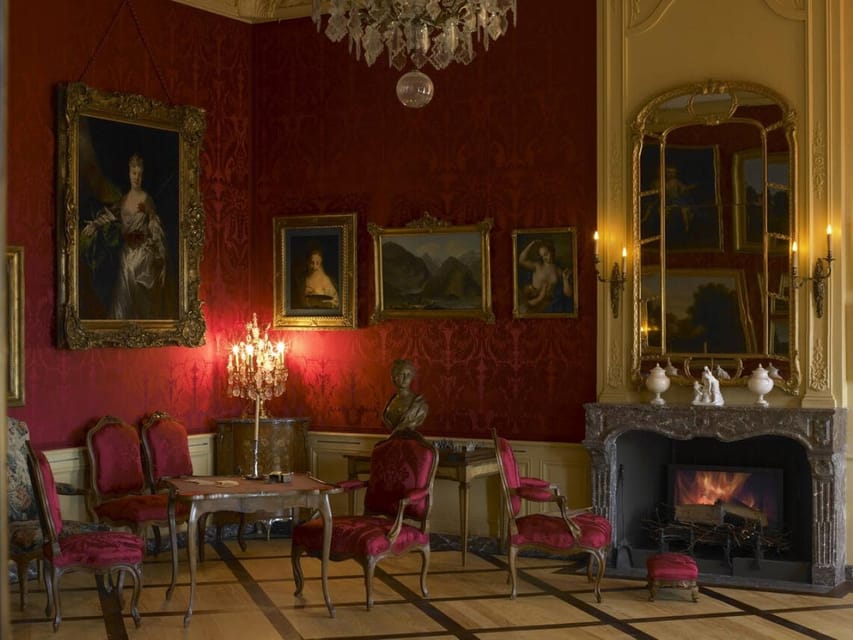
A highlight is the chance to see the reception rooms of Louis-François Guiguer, Baron of Prangins. Even if you don’t know the family history going in, these are the rooms where an 18th-century viewer would expect social life, status display, and “how power is shown” to happen.
You also get an exhibition that fits the story: Noblesse Oblige! Life at a Château in the 18th Century. The title alone tells you what the exhibit aims to tackle, and the overall theme matches what reception rooms are for. You’ll get a clearer sense of how château life functioned, not just what the rooms look like.
This is the part of the visit that tends to land best when you’re paying attention to details like room purpose and the way furniture and space shape behavior. The château setting gives you context, then the museum interpretation helps connect the dots.
Swiss National Museum exhibitions on Swiss history, identity, and culture
Once you’re inside, you’re also doing the Swiss National Museum portion of the day. This is the museum in French-speaking Switzerland, and it opened its doors in 1998. That matters because the museum content is built for visitors who want history and culture in a structured way, not random room-by-room storytelling.
Expect both permanent and temporary exhibitions. The museum’s themes are described as Swiss history, identity, and culture. That combination is what makes this more than “old rooms.” You get context for how Swiss identity has been shaped and how culture is presented and interpreted.
A small caution from experience with similar museum setups: some parts of the experience that involve audio or a presented dramatization can have sound-quality issues. In one booking, people noted the theatrical sound was poor and that not everything was understood. So if you notice audio isn’t carrying clearly, don’t feel stuck. Shift to reading the exhibit text and look for the visual cues the room is designed to give you.
The estate outside: park, meadow-cum-orchard, and Switzerland’s kitchen garden
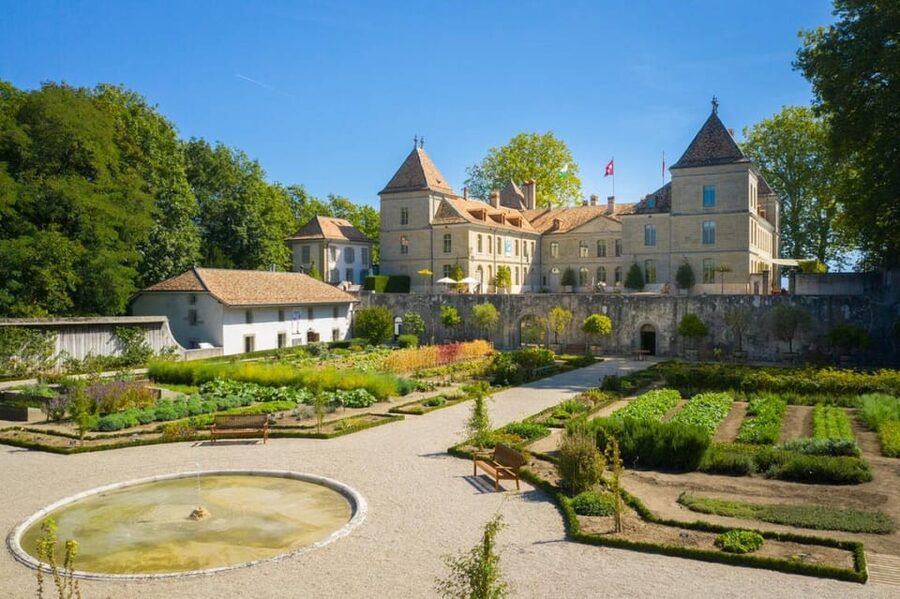
The château works best when you leave the indoor rooms and let the estate reset you. The grounds cover 5 hectares and include a park plus a meadow-cum-orchard. This is not just “pretty surroundings.” It’s part of the same historical idea of how the estate was used.
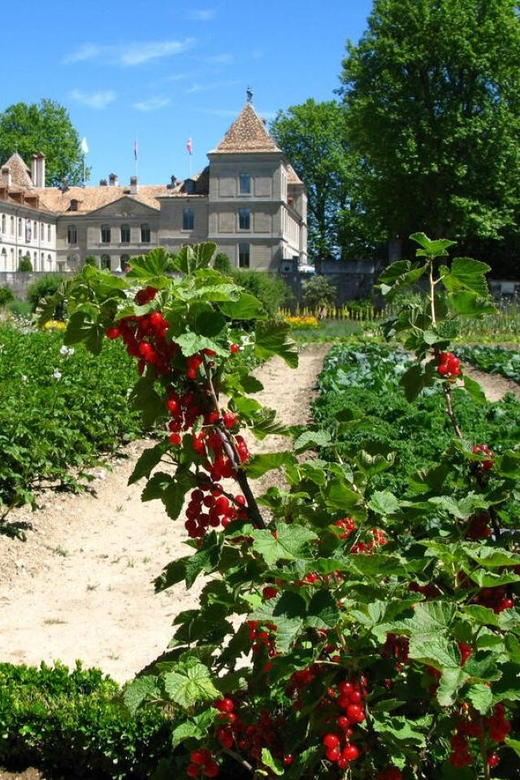
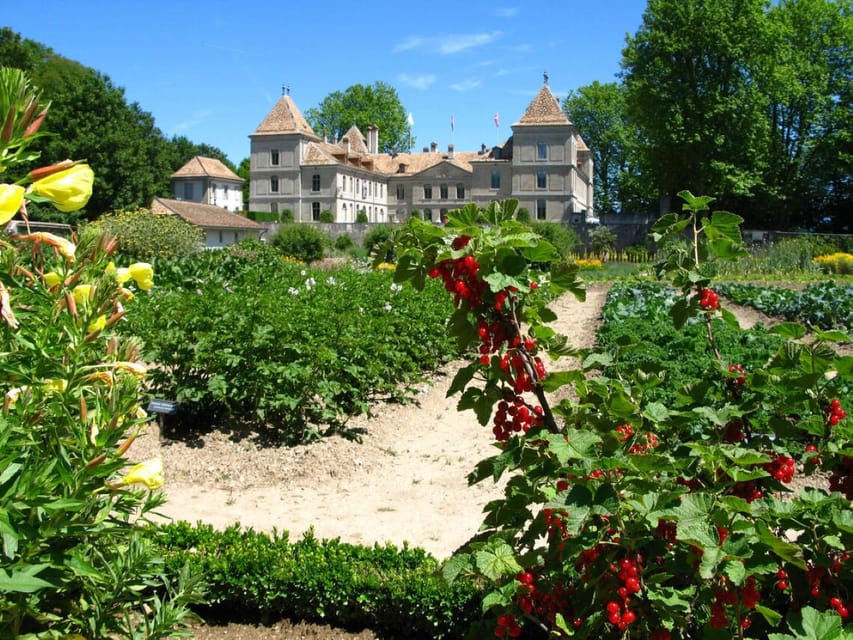
The biggest outdoor focus is the country’s largest historical kitchen garden. That gives your visit a practical, tactile angle on history. Gardens like this are about food systems, seasonal cycles, and how estates supported daily life. It’s the kind of exhibit where you can move slower, look at structure, and connect the dots between a château and what it needed to function.
Two rules to plan around: flash photography is not allowed, and you also can’t touch plants. That’s normal for garden spaces, but it does change the vibe a bit. I recommend bringing a phone camera or regular camera setup you’re comfortable using without flash, and keeping your hands to yourself so you can enjoy the details without stress.
How to pace a one-day visit without missing the best parts
Because this is a one-day ticket, the goal is to avoid spending too long in areas you’re not vibing with. Here’s a strategy that keeps you in control.
First, give yourself time for the château itself: the reception rooms and the exhibition tied to the 18th-century château theme. That’s the “story engine” of the visit. Then move into the Swiss National Museum exhibitions, where you can choose based on what you want most, Swiss history, identity, or culture.
Finally, save the garden for later. The park, meadow-cum-orchard, and kitchen garden are easier to enjoy when your legs are ready to stretch after indoor time. Also, you’ll appreciate the change of pace more if you’re not racing outdoors at the end.
If you like structure, do the museum spaces earlier while you’re fresh, then let the estate slow you down. If you’re more of a garden person, reverse it slightly, but still make sure the reception rooms and Noblesse Oblige! are not skipped. They’re the pieces that make the château feel like more than a backdrop.
Price and value: what $17 really buys you
At $17 per person, this entry ticket is priced to be workable as a day trip add-on. What makes it better value than a lot of single-site museum tickets is that it includes access to both the château and the Swiss National Museum exhibitions, plus the estate gardens.
Then there’s the bigger value kicker. The ticket is also valid for National Museum Zurich and the Forum of Swiss History Schwyz. That means if you’re already planning other museum time in Switzerland, this can act like a multi-stop ticket instead of a one-and-done purchase.
So the smart way to judge value is not only “how much for one château day,” but “what else this can replace.” If you’re doing Zurich and Schwyz later, you’re effectively spreading the cost over multiple destinations.
Practical rules that affect your day
A few on-the-ground rules can change how you experience the visit.
- No flash photography: you’ll need to use existing light or adjust your camera settings.
- No touching plants: in the historical kitchen garden, keep your hands off everything and use your eyes.
Also, plan on being flexible about how much you can fit. You’ll be moving between indoor floors and outdoor areas, and the site includes cellars, which usually means some extra walking and stair or ramp movement.
Who should book this entry ticket, and who might not
I think this is a strong choice if you want Swiss history that feels grounded in real spaces. You’ll likely enjoy it if you like:
- historic buildings with museum-level interpretation
- exhibitions that connect identity and culture to the story of Swiss life
- a one-day format with both indoor and outdoor time
It may be less ideal if you need a fully low-movement visit. The provided info says the experience is wheelchair accessible, but it also states it is not suitable for wheelchair users and people with mobility impairments. That contradiction is worth taking seriously. If mobility is a key factor for you, you should check directly before you go, because the safest plan is one where you know what your route inside and in the garden will actually look like.
Should you book Château de Prangins for a one-day stop?
Yes, I’d book it if you can make the trip. For a $17 day, you’re getting the Swiss National Museum experience in French-speaking Switzerland, the chance to see Louis-François Guiguer’s reception rooms, access to both permanent and temporary exhibitions on Swiss history and identity, and the estate that includes Switzerland’s largest historical kitchen garden.
I’d skip or rethink it only if you’re expecting a fully effortless visit with no indoor complexity, or if mobility needs are central and you cannot confirm how that “wheelchair accessible” description plays out on-site. If you like history with atmosphere and you’re happy to follow straightforward garden rules like no touching and no flash, this is a very solid one-day choice around Lake Geneva.
FAQ
What is included with the Château de Prangins entry ticket?
The ticket includes entrance to Château de Prangins, access to permanent and temporary exhibitions, and exploration of the largest historical kitchen garden in Switzerland.
How long is the ticket valid?
It is valid for 1 day.
How much does the entry ticket cost?
The price is $17 per person.
Where do I go on arrival?
Go to the museum’s main entrance and present your voucher.
What are the main things to see inside the château?
You can explore the Swiss National Museum on three floors and in the cellars, including permanent and temporary exhibitions on Swiss history, identity, and culture, and the reception rooms of Louis-François Guiguer, Baron of Prangins, plus the exhibition Noblesse Oblige! Life at a Château in the 18th Century.
What is on the estate grounds?
The estate includes a park, a meadow-cum-orchard, and the country’s largest historical kitchen garden.
Are flash photos allowed?
No, flash photography is not allowed.
Is touching plants allowed?
No, touching plants is not allowed.
Is it wheelchair accessible?
The info says wheelchair accessible, but it also states it is not suitable for wheelchair users and people with mobility impairments. If you are relying on wheelchair access, it’s best to check directly before you arrive.
Can this ticket be used for other museums?
Yes. The entry ticket is also valid for the National Museum Zurich and the Forum of Swiss History Schwyz.
Tickets, compared.

Zurich Sights: Cruise, Lindt Chocolate and optional FIFA Ticket
Read our review →