
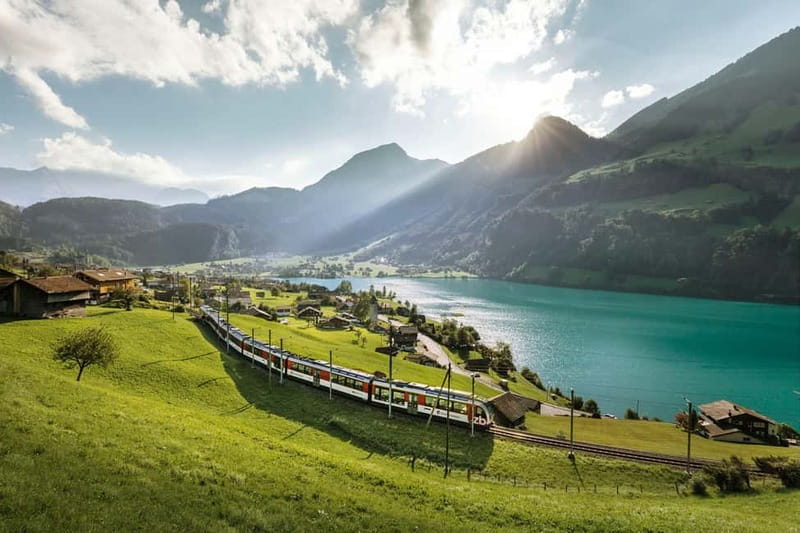
Reviewed · SWISS TRAVEL PASS
Swiss Travel Pass: Unlimited Travel on Train, Bus & Boat
The Swiss Travel Pass is interesting because Switzerland is built for public transport, and this pass lets you use it like locals do. You can make big moves between cities, then fill your days with museums, lake boats, and mountain rides, without stopping to price every ticket. For me, the best part is the freedom this gives you when your plans are fluid.
I love the simple, no-fuss transport coverage on trains, buses, and boats across lots of towns. I also love the museum benefits, including major sites like the FIFA World Football Museum in Zurich and the Paul Klee Center in Bern. The only drawback to flag is that some scenic or panoramic trains require an extra seat reservation, so you still need a quick check before you assume everything is fully automatic.
Key things you should know before you go
- Unlimited public transport on trains, buses, and boats across Switzerland for the pass duration
- 500+ museums included, with standout options like FIFA in Zurich and Paul Klee in Bern
- Mountain rides: Rigi, Stoos, and Stanserhorn are free on the pass, with many other cableways at 50% off
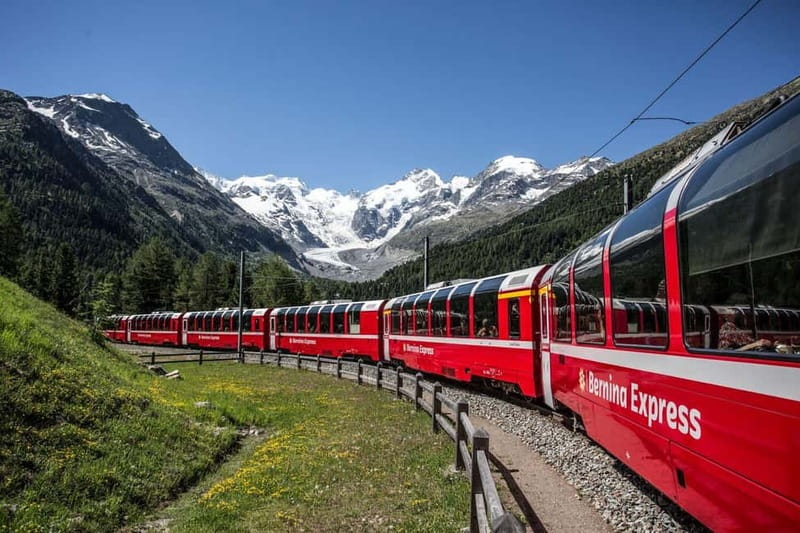
- Seat reservation needed for additional cost on certain panoramic trains (examples: Glacier Express, Bernina Express)
- Families: children up to 15 travel free with their parents
- Pass delivery is digital, with the provider sending a ticket by email after booking confirmation
Swiss Travel Pass in plain terms, what you are really buying
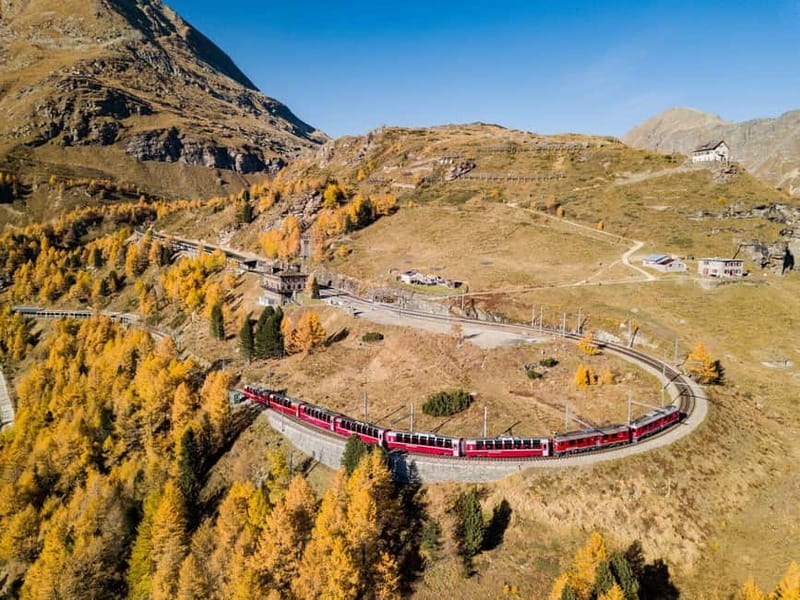
Think of the Swiss Travel Pass as your all-day, hop-anywhere ticket for Switzerland’s public transportation network. If you like moving around, changing your mind, or splitting time across multiple regions, it can feel like Switzerland’s version of a rental car, minus the parking stress.
You buy a pass for a set window, then you use it on trains, buses, and boats. Many people end up riding more than they planned because the pass makes it easy to say yes to that extra stop. And because Switzerland’s system is well run, the “use it whenever” style of travel actually works.
Now, this is not a magic card that eliminates all planning. Two things still matter. First, some popular scenic trains need seat reservations for an added fee. Second, mountain attractions have a mix of free rides and discounted rides, so you’ll want to check what’s free versus what’s 50% off.
More Swiss rail passes:
- Jungfrau: Travel Pass for 3 to 8 Days
★ 4.7 · 256 reviews - Berner Oberland: Swiss Half Fare & STS Holder 2nd Class Pass
★ 4.7 · 150 reviews
Transport coverage, trains, buses, and boats you can use without thinking
You get unlimited access by public train, bus, and boat across the country, including service to more than 90 towns and cities. In practice, that means you can plan your day around sights, not ticket counters.
One big confidence boost from using this kind of pass is not having to decide every time you get on a vehicle. Multiple people praised how easy it is to hop on and off spontaneously, even when plans change due to weather or timing. I like that approach for Switzerland, where one good connection can save you hours.
Panoramic trains and the one wrinkle
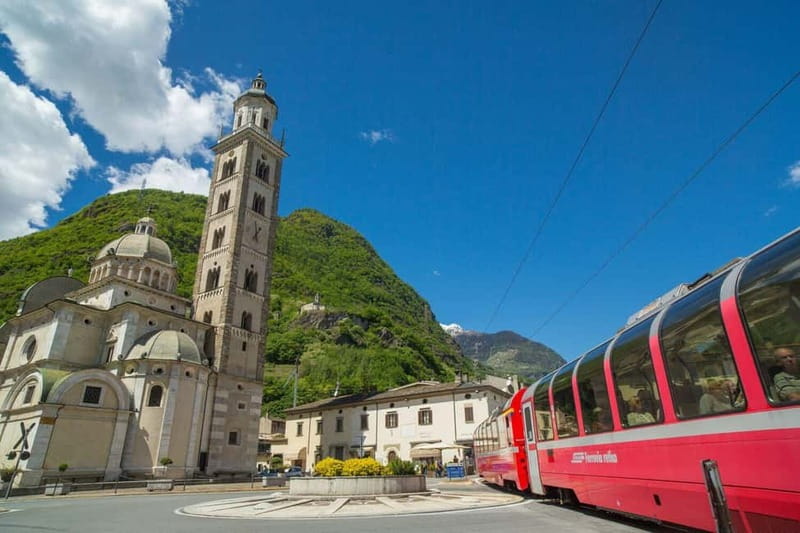
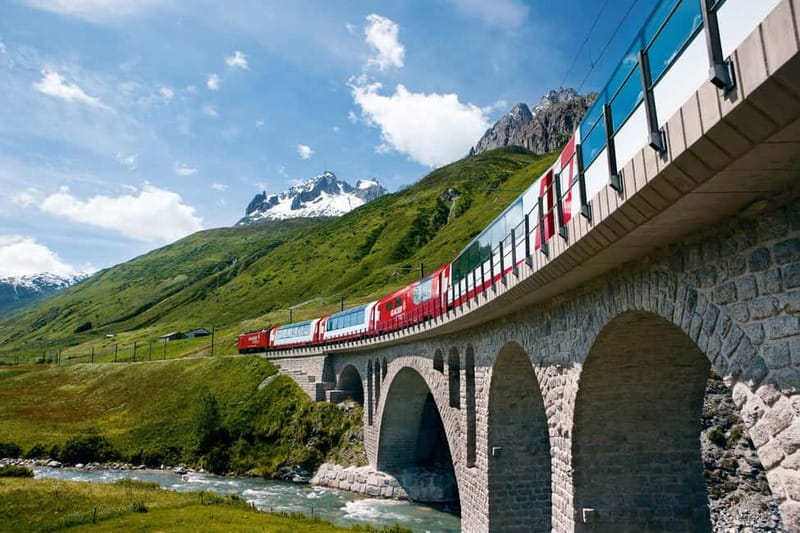
Most standard trains are straightforward with the pass. But for some of the famous panoramic services, you may still need a seat reservation, which costs extra. The provided examples include Glacier Express and Bernina Express.
So here is my practical rule: when a train is famous for panoramic windows and sells out, assume you’ll want a seat reservation. That keeps the day from turning into a scramble.
Museums on the pass, where you can spend rainy hours (and still feel like you won)
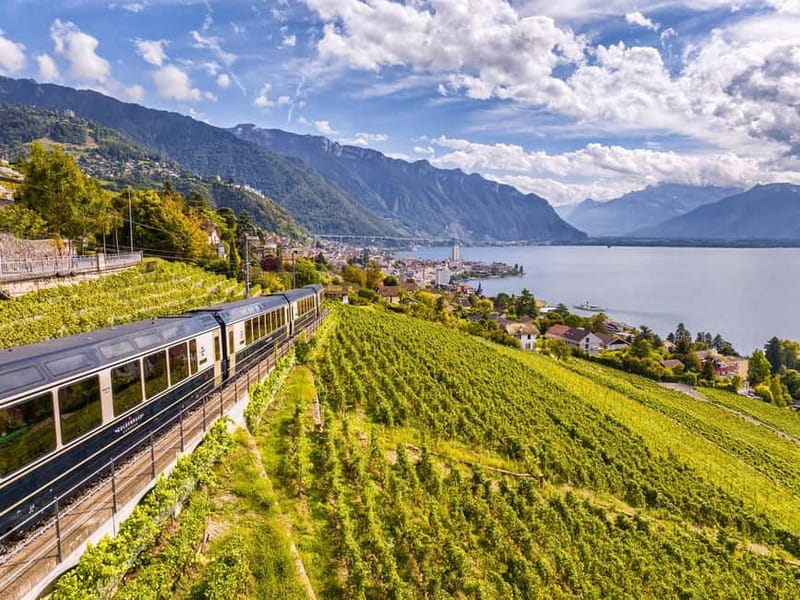
The museum side of the Swiss Travel Pass is a major value driver. You get free entry to 500+ museums. That matters because Switzerland can be expensive, and museums are one of the easiest ways to keep your trip enjoyable when it rains, snows, or just gets chilly.
Bern: Paul Klee and national history
In Bern, you can use your pass for the Paul Klee Center and the National History Museum. This is a smart pairing because Bern is compact and walkable, so you can do a museum morning, then stroll for views and coffee.
Zurich: FIFA World Football Museum
Zurich also has a big name option included: the FIFA World Football Museum. If you are traveling with kids, this is the kind of museum that makes the pass feel like it paid for itself.
Geneva: natural history
Geneva’s Natural History Museum is another included museum that pairs well with the city’s quieter, more strolling-focused vibe.
Lausanne and beyond
The pass also gives access to major attractions like the Olympic Museum in Lausanne, Château de Chillon, and the Ballenberg Swiss Open-Air Museum. Even if you are not a museum person, these are the types of places that help Switzerland feel like more than scenic train rides.
Mountain days, free rides and the 50% off discounts that matter
If you do even a few mountain excursions, this is where the pass often feels most dramatic.
Free mountain rides: Rigi, Stoos, Stanserhorn
The pass includes free access to Rigi, Stoos, and Stanserhorn. These are the kinds of rides that let you see Swiss scenery up close without needing separate ticket planning.
Also included at 50% off: major cable cars and railways
Beyond those free options, you get up to 50% off on many other mountain excursions and cableways. The examples provided include Gornergrat and Titlis.
A simple way to use this
I like to plan your mountains in layers:
- One free ride that anchors your day
- One discounted ride if your schedule allows
- A third option only if you have time, because cable cars and funiculars can stack up travel time
One caution from the reviews: some gondola fees in the Jungfrau region are not fully covered, though discounts may apply. So do not assume every lift is included. Check what your pass covers for each specific cableway before you commit your afternoon.
Building a smart route with 3, 4, 8, or 15 days
This pass is flexible by design, and your best itinerary depends on how you like to travel. Here are the practical ways I’d think about it.
3 to 4 days: pick one hub, then day-trip by train
In a short trip, I would choose one base city and then use the pass to do one or two big day trips. Museums are ideal in this format because they are easy to fit into a travel day.
If your pass is active for 3 days, focus on:
- One strong museum day
- One scenic train day (with reservation if needed)
- One mountain ride day (free if possible)
8 days: mix cities and one or two mountains
With around a week, you can comfortably do several cities without feeling rushed. A common rhythm works well:
- City A for museums and walking
- City B for a different vibe
- Mountain day for big views
- Back to cities for evening atmosphere and dinner
This is where the “no ticket planning” effect really pays off because you are riding often.
15 days: you can travel like you mean it
At 15 days, you can slow down and take longer breaks in places. You can repeat a city you enjoyed, or add extra mountain excursions at the discounted rate.
One extra benefit of a longer pass is coping with real life. Trains run on time often, but weather happens, and connections can be busy on certain routes. The more days you have, the easier it is to adjust.
Seat reservations and scenic trains, how to avoid the stress spike
If you only read one practical section, make it this one.
Some scenic trains require seat reservations for an added fee. The pass covers the travel, but not the reserved seat. That means you should treat panoramic train days as the “book first” days of your trip.
Examples called out include Glacier Express and Bernina Express. If you are using other scenic or premium services, the logic is the same: if it is a paid reserved-seat experience, plan for an extra step.
Also, one review mentioned the Bern to Zurich train being full with no seat found on that single segment, even though the system works well overall. That is a reminder that on busy days, even with the pass, you may want to travel with an earlier departure or be ready to stand briefly.
Price and value, when the pass actually saves you money
At $327 per person for the pass shown here, the value depends on how you travel.
The pass pays off when you do three things
You get strong value if you:
- Ride trains, buses, and boats frequently across multiple regions
- Add at least a couple of mountain excursions
- Use museums instead of paying for everything out of pocket
One person specifically said they saved hundreds of dollars by using the pass for rides, museums, and scenic trains. That tracks with how Switzerland prices individual tickets and attractions.
The pass may feel pricey if you do only one city
If you plan a trip where you stay in one place and do only a couple of paid activities, you might end up overpaying. In that case, compare the cost of individual tickets and museum entries against the pass duration you are buying.
Families get a special advantage
Children up to 15 travel free with their parents on boats, trains, and buses. If your group includes kids, this changes the math in a big way because your “transport cost” can become close to zero.
The digital ticket, what to show, and the small steps that prevent headaches
There is no meeting point. You receive the pass by email.
Important practical detail: the GetYourGuide booking confirmation is not the original Swiss travel pass. After booking, the activity provider sends you a digital ticket within about 24 hours, and you show that to the ticket collector.
Also, the pass works on a date-based system. It is valid starting at 12:00 AM on the first day and runs until midnight on the last day. That matters if you plan to cross time zones or leave late on the final day.
Planning with the SBB app
Many reviews praised using the SBB app to check schedules. I agree with the logic. When you trust the app for connection times, you can be more spontaneous because you are not guessing.
One review called out that the app made a big difference during their trip. Another said service was very on time, and buses and trams were easy to use. That aligns with the general experience: Switzerland’s rail network is built for reliable connections, so having the right info in your pocket keeps you calm.
Who this Swiss Travel Pass suits best
This pass is a great fit if:
- You want maximum flexibility and hate ticket planning
- You plan to move between multiple cities in the same trip window
- You want to mix public transport with museums and mountain rides
- You are traveling with kids under 16, especially since kids can ride free with parents
It is less ideal if:
- You only want one city and a slow schedule with just a couple of paid attractions
- You strongly prefer pre-booked, fixed itineraries where you do not need transport flexibility
Should you book the Swiss Travel Pass?
If your Switzerland plan involves more than one region, at least a couple of museums, and one or more mountain days, I’d book it. The best reason is not just that it covers lots of transport. It is that it removes decision fatigue. You can spend your energy on where to go next, not on figuring out what to buy.
My final advice is simple:
- Before you commit, check which mountain rides are free versus 50% off.
- For any panoramic or premium train you want, assume you will need a seat reservation and plan that day accordingly.
- If your route is city hopping with a mix of museums and scenery, this pass usually turns into real savings and real convenience.
FAQ
How many days can I choose with the Swiss Travel Pass?
You can choose from 3, 4, 8, or 15 days. There are also two types of passes, continuous and flexi, depending on how you want the days to work.
When is the pass valid during the dates I select?
The pass works on a date system. It is valid starting at 12:00 AM on the first date and valid until midnight on the last date.
Do I need a seat reservation for all trains?
Not for everything, but seat reservation is needed for additional cost when booking panoramic trains such as Glacier Express or Bernina Express.
Which mountain rides are included for free and which are discounted?
The pass includes free access to Rigi, Stoos, and Stanserhorn. It also offers up to 50% off on many other mountain excursions and cableways.
Are museums included, and can I use the pass for major attractions?
Yes, the pass includes free entry to 500+ museums. The data specifically mentions options like the FIFA World Football Museum in Zurich and the Paul Klee Center in Bern, plus other museum sites.
Can children ride for free?
Yes. Children up to 15 years old can travel free of charge with their parents on boats, trains, and buses.
How do I receive the pass and what do I show on public transport?
You will receive the pass by email, and there is no meeting point. The GetYourGuide booking confirmation is not your original pass. After booking, the provider sends a digital ticket that you must show to the ticket collector.
Can I cancel after booking, and until when?
Yes, you can cancel for a full refund up to 24 hours in advance.
More Train Journeys in Central Switzerland
- Lucerne: Mt. Pilatus Cable Car, Cogwheel Train & Lake Cruise
★ 4.7 · 2,338 reviews - Milan to St. Moritz: Scenic Bernina Train Tour with Guide
★ 4.4 · 1,840 reviews - Zermatt: Gornergrat Railway Cogwheel Train Ticket
★ 4.7 · 580 reviews - Geneva: Hop-on Hop-Off Bus & Scenic Mini-Train Tour
★ 3.8 · 501 reviews
More Boat Tours in Central Switzerland
- Zurich: City Tour, Cruise, and Lindt Home of Chocolate Visit
★ 4.5 · 4,624 reviews - Geneva: 50-Minute Lake Geneva Cruise
★ 4.3 · 4,063 reviews - Award-Winning Geneva Chocolate &Old Town Tour with Boat Ride (3h)
★ 5.0 · 3,721 reviews - Neuhausen am Rheinfall: Rhine Falls Boat Tour
★ 4.8 · 2,854 reviews
Recently reviewed around Central Switzerland
- Sato Code Escape Room across Zug★ 5.0 · 3 reviews
- Zug Scavenger Hunt and Sights Self-Guided Tour★ 5.0 · 5 reviews
Swiss Travel Pass, compared.
Berner Oberland: Swiss Half Fare & STS Holder 2nd Class Pass
Read our review →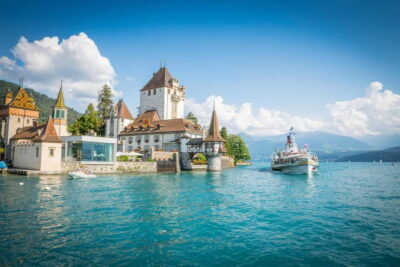
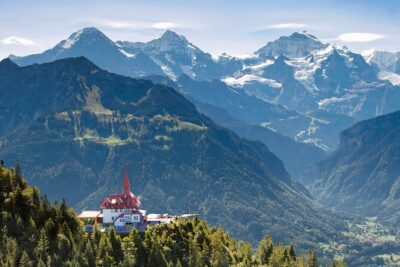
Berner Oberland: Swiss Half Fare & STS Holder 1st Class Pass
Read our review →Browse the lists this tour appears in