
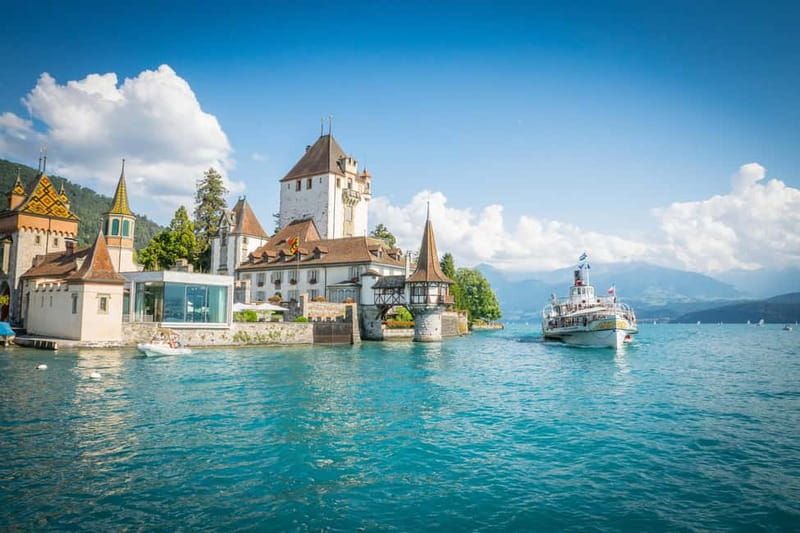
Reviewed · SWISS TRAVEL PASS
Berner Oberland: Swiss Half Fare & STS Holder 1st Class Pass
This pass is interesting because it turns the Bernese Oberland into one flexible travel system. I love the way first-class riding makes long days feel less exhausting, and I love 25+ included mountain rides and boats that can turn your itinerary into savings, not just convenience.
One possible drawback: the pass is best when you plan enough big outings to use what is included, and some routes can involve supplements or missing segments (like parts of Jungfraujoch and Schilthorn).
Key things to know before you buy
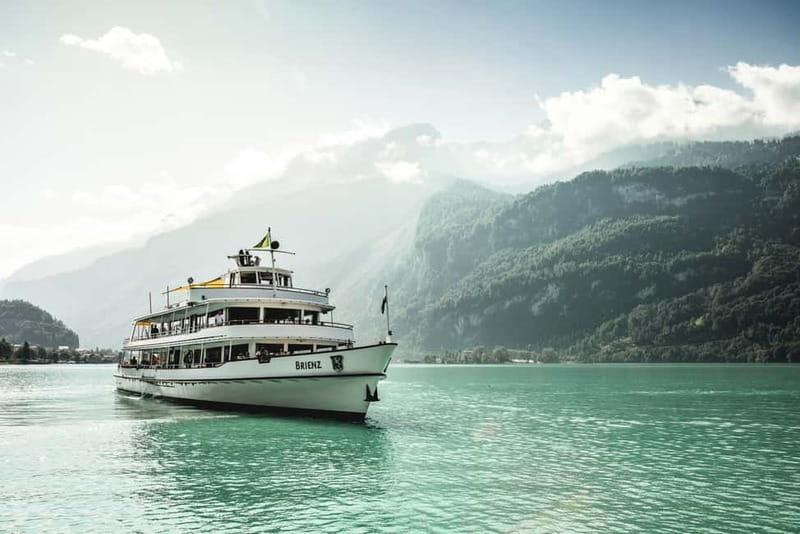
- Unlimited first-class travel across Bernese Oberland via train, bus, and boat for 3 to 10 consecutive days (April to December)
- Steamboats on Lake Thun and Lake Brienz plus 25+ mountain cable cars and railways, with a few exceptions and possible supplements
- Big scenic targets included such as Harder Kulm, Jungfraujoch, Schilthorn, and Brienzer Rothorn (supplement may apply)
- About 40 partner offers with discounts from 10% to 100% if you line up the right activities
- Good match for a longer stay, where you can stack multiple mountain days instead of burning a whole budget on single tickets
- The Brig to Domodossola train line is newly included (nice if you are planning onward connections)
How the Berner Oberland Pass fits real travel days
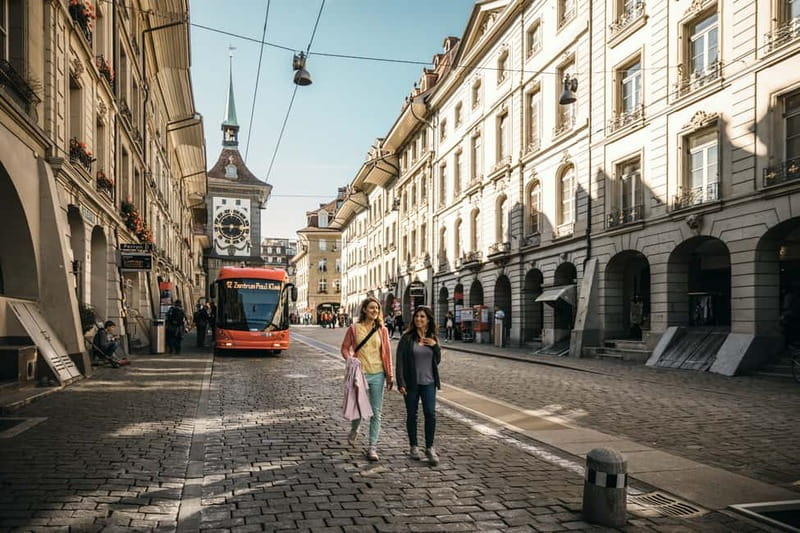
The Berner Oberland Pass is built for people who want to bounce around without thinking about a new ticket every time the train changes. If you are aiming for that classic Bern, Lucerne, Interlaken, and Brig loop, it removes a lot of friction. And because it is first class, you get a calmer ride when you are traveling between viewpoints, not just between cities.
What I like most is the mix of big-ticket scenery and everyday utility. The included options are not just one signature mountain. You also get steamboat time on Lake Thun and Lake Brienz, plus access to a network of cable cars and railways. That means you can spread your day, start early, and still end up with options if weather shifts.
The pass also nudges you into a smarter rhythm. Instead of treating mountain excursions as one-off purchases, you can plan multiple outings across your 3 to 10 days and compare the costs in your head as you go. One buyer put it bluntly: it is worth it when you actually do the included excursions and run the math against buying separately.
More Workshops in Interlaken
- Berner Oberland: Swiss Half Fare & STS Holder 2nd Class Pass
★ 4.7 · 150 reviews - Interlaken Cruise Day Pass Lake Thun and Lake Brienz, 2nd class
★ 4.0 · 31 reviews - From Interlaken: Afternoon Beginners Snowboarding Lesson
★ 4.9 · 29 reviews
Your best duration: 3 vs 4 vs 6 vs 8 vs 10 days
This pass works in a very “schedule it or regret it” way, so the number of days matters. With 3 days, you can still have a great trip, but you will likely pick one mountain day and one lake day, then rely on regular rail coverage for everything else. With 4 days, you can usually add a second major outing without feeling rushed.
Once you reach 6 days, it starts to feel like you are playing offense. You can do a full day on one side of the region, another day for a different mountain system, and still have slack time for slower moments like lake cruising or extra cable car stops. That is where the value story usually clicks for most people.
For 8 to 10 days, you can build a trip that looks less like a checklist and more like a journey. You can repeat rail routes without stressing, swap a mountain day if clouds roll in, and still use the partner discounts at a pace that does not feel like homework.
One important note: the pass is valid for consecutive days (not scattered weekends) and operates in April to December. So you want to choose dates that give you enough daylight for the mountain options.
Where you can go: Bern, Lucerne, Interlaken, Brig, and Saanen
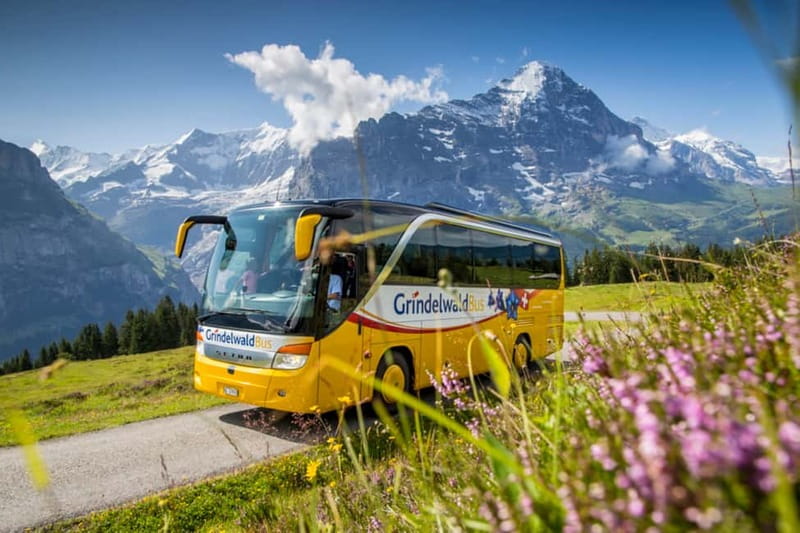
The pass covers travel within the Bernese Oberland area, including Bern, Lucerne, Interlaken, Saanen, and Brig. In plain terms, it is designed for the heart of the Swiss rail-famous scenery: cities for exploring, and hubs for mountain excursions.
A useful way to plan is to decide what role each base city plays for you. Bern is handy for museums and city walking before you head into the Alps. Lucerne gives you a classic lake-and-stroll feel and works well as a gateway for connecting trips. Interlaken is a natural hub for Jungfrau region rail and lift options, while Brig sets you up for Rhone Valley connections and additional routes in the broader area.
If you like logistics that behave, there is a real practical advantage. One buyer shared that they used the pass while planning a route from Lucerne into the Jungfrau region and then onward toward Montreux via the Golden Pass Express, with no real hassle. That kind of flexibility is what the pass is good at: making your first leg easy so you can focus on where you are going next.
The first-class riding advantage, and how it affects your comfort
This is not a luxury cruise. It is train life in the Alps. But first class can still change the feel of your days, especially when you string together a morning climb and an afternoon ride back.
When you are leaving one base city and heading into the mountains, you tend to spend more time seated than you expect. First class can make that time feel less like waiting and more like part of the experience, especially on longer segments where the day is built around connections.
Also, first class can be a small stress reducer. If you are carrying day packs, camera bags, or you are simply tired from switching between trains and lifts, having a more comfortable environment helps you enjoy the views when they arrive. You still have to plan your timing, but the ride quality keeps your energy up for the mountain hours.
One more practical perk: the pass includes the ability to skip the ticket line. That matters when you are trying to catch a particular connection for a cable car or steamboat departure. It is one less thing to slow you down at busy stations.
More Swiss rail passes:
- Jungfrau: Travel Pass for 3 to 8 Days
★ 4.7 · 256 reviews - Jungfrau Travel Pass 3-8 days
★ 4.0 · 55 reviews - Swiss Travel Pass: Unlimited Travel on Train, Bus & Boat
★ 4.8 · 1,631 reviews - Switzerland: Train, Bus, Boat Travel Pass Flex
★ 4.5 · 74 reviews
Mountain days you should plan around (and what can cost extra)
This pass shines when you plan the big mountain highlights and treat them as your anchor days. The included network covers more than 25 mountain cable cars and railways, and it explicitly lists major targets like Harder Kulm, Jungfraujoch, Schilthorn, and Brienzer Rothorn.
That said, there are two details you must respect to avoid surprises:
- Some mountain routes can require supplements even with the pass.
- Some parts of the Jungfraujoch and Schilthorn excursions are not included, specifically partial route segments.
Jungfraujoch: incredible, but read the fine print
The pass includes access related to Jungfraujoch, but it does not cover certain partial route segments: Kleine Scheidegg to Jungfraujoch and EigerGletscher to Jungfraujoch. Translation: depending on which starting point you choose in the Jungfrau area, you might still pay extra for the specific segment you want.
So your planning job is simple. Decide how you want to approach the Jungfraujoch day first, then check whether your chosen path overlaps with included segments or falls into the partial-route gaps.
Schilthorn: plan your route, not just the goal
Schilthorn is another listed highlight tied to the included network, but the pass does not include the partial route segment Mürren to Schilthorn. Again, this is a route question, not just a place question. If you are picturing a Schilthorn day, pick your station approach carefully so you do not accidentally choose the segment that needs extra payment.
Brienzer Rothorn and Harder Kulm: good targets for variety
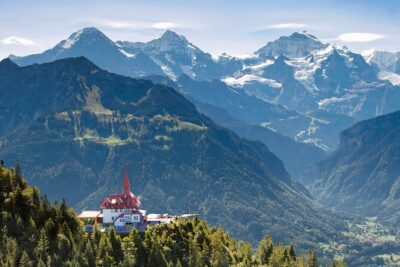
Harder Kulm is a great “make the day scenic” option, especially if you want views without committing to the longest all-day excursions. Brienzer Rothorn adds a different kind of mountain experience tied to the Lake Brienz area.
One buyer also mentioned a fun little surprise: Brienzer Rothorn gave them chocolates for using the pass. That is not something to bank on every time, but it is a good example of the kind of small partner perks you might see when you are doing included experiences.
Supplements can happen, so keep a buffer
The pass notes that supplement may apply to certain mountain excursions. If your trip includes multiple peak days, it is smart to budget a little extra for the “you picked the expensive segment” moments.
Lake Thun and Lake Brienz steamboats, plus the scenic cable-car web
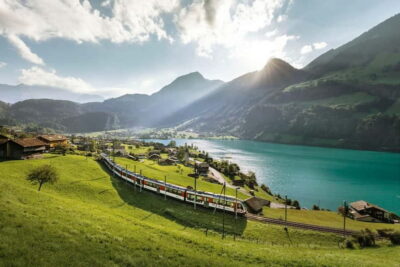
If you only did mountains with this pass, you would miss the way the region breathes. The pass includes steamboats on Lake Thun and Lake Brienz, which are perfect for a day that mixes movement with downtime.
Steamboats are also smart because they help you pace the trip. You can build a day where you start with a rail segment, take a boat to reset your energy, then finish with a cable car or a different viewpoint. Instead of grinding nonstop, you get built-in breaks.
Plus, the area gives you options for switching priorities. Weather might be clearer over one lake than another, or your mood might shift from “highest possible view” to “easy scenic time.” With the included boat and cable car web, you can adjust without feeling like you are wasting money.
The pass also includes a wide network of included mountain rides in addition to the listed big names. That means you can choose smaller cable cars as connectors, not only as destination tickets. When you plan well, these extra rides turn into a natural storyline for the day.
Partner discounts: how to make the 10% to 100% offers matter
The pass includes 10% to 100% discounts at around 40 attractions or activities. Those numbers are exciting, but they only help if you plan them into your days.
Here is how I would use partner discounts in real life:
- Pick one or two activities that are already on your wish list.
- Then build the rest of the day around them instead of doing discounts for the sake of discounts.
- Use the discount to “upgrade” your day, not to force a hard schedule.
If you are the type who likes museums, viewpoints, or guided add-ons, those partner benefits can soften the budget. If you only care about trains and a couple of signature rides, you might not feel as much of the discount layer.
One buyer also felt that another discount card, the SBB half-fare option, could provide better savings for their style of travel. That is a fair reminder. The pass is usually strongest when you are doing multiple included mountain days and using the region in a way that matches the pass structure.
Price and value, and why it often wins on longer trips
The listed price is $261 per person for this Berner Oberland Pass option. Since it is sold as a discounted pass for Swiss Travel Pass and Swiss Half Fare Card holders, you are essentially paying to upgrade your coverage and reduce the amount of separate ticket math you have to do.
So where does the value come from? It usually comes from three places:
- Multiple mountain cable cars and railways (especially major ones).
- Steamboats on Lake Thun and Lake Brienz.
- Avoiding separate first-class tickets when you are hopping between Bernese Oberland hubs.
If you only plan one mountain day and one boat day, it may be harder to justify compared to just paying point-to-point. But if you plan a true mountain and lakes trip with several big rides, the included network starts to look like a “built-in itinerary” rather than an upsell.
It also helps that the pass covers you for travel between multiple bases: Bern, Lucerne, Interlaken, Saanen, and Brig. That reduces the cost of changing plans, which is a huge deal in the Alps where weather can change.
Free cancellation is available up to 24 hours in advance for a full refund, so if your dates are still settling, you have some protection while you finalize plans.
Small print that can change your plan (so check before you lock in)
A few details are easy to overlook, and they can affect whether you feel like you got a bargain.
Seat reservations
Seat reservations are not included. If you know you will need reserved seating on a specific segment, plan for that cost. If not, you might be fine, but the pass is not automatically a “seat guarantee.”
Partial route segments for major peaks
As mentioned, parts of Jungfraujoch and Schilthorn routes are not included. That means the pass might not cover every approach path you see on maps. You can still do these icons, but you need to plan your approach so you are not paying extra for a segment you could have covered differently.
Supplements on certain mountain excursions
Even where the pass includes mountain access, some routes might require supplements. Keep a small buffer in your budget for at least one paid segment if you are going after the highest, most popular options.
Ticket format and showing it
This is not your official ticket. After purchase, the local partner sends you a digital ticket within 72 hours, and you need to show it to the train manager. I like that they are clear about email timing, because it forces you to check your inbox, including spam folders.
Who should carry what
Bring a passport or ID card. That is a straightforward requirement, but it is still the kind of thing that turns into a hassle when you are already on the move.
Who this pass is best for (and who might not love it)
This pass is a strong fit for you if you:
- Want multiple mountain days and at least one lake day
- Prefer rail and cable cars over car travel
- Have enough time to pick 6 to 10 days, or at least commit to 4 days with clear priorities
- Enjoy planning around famous viewpoints like Jungfraujoch and Schilthorn but also want freedom to shift your day
It might feel less compelling if you:
- Have only 3 days and want just one peak experience
- Prefer a very light schedule with only city wandering and minimal mountain time
- Expect the pass to cover every segment without supplements or partial-route gaps
And it might make sense to compare other discount systems if your travel style is highly selective. One buyer found the SBB half-fare card gave them better discounts, so there is no shame in checking your specific route math before you commit.
Should you book the Berner Oberland Pass?
If your trip includes more than one mountain outing plus steamboat time, I would book it. The included first-class network across Bern, Lucerne, Interlaken, Saanen, and Brig is exactly what makes it feel like you are traveling with less friction. The partner discounts can add extra value if you tie them to activities you already want to do.
If you are only going to do a single signature excursion and keep the rest simple, I would double-check the route segments and compare against your other available half-fare options. The pass is powerful, but it rewards planning.
The best move is to choose your 3 to 10 day window based on how many big days you truly want. If you can do that, you are much more likely to feel like the $261 price turns into a bargain instead of a bet.
FAQ
How long is the Berner Oberland Pass valid?
It is valid for 3, 4, 6, 8, or 10 consecutive days. The pass operates during April to December.
Where can I travel with the pass?
You can travel within Bernese Oberland between Bern, Lucerne, Interlaken, Saanen, and Brig using public transport.
What major transport and mountain rides are included?
The pass includes all travel by public transport in first class (train, bus, boat) within Bernese Oberland, plus more than 25 mountain cable cars and railways such as Harder Kulm, Jungfraujoch, Schilthorn, and Brienzer Rothorn (supplement may apply). It also includes steamboats on Lake Thun and Lake Brienz, and the train line Brig-Domodossola is newly included.
Are there discounts beyond the included rides?
Yes. You get 10% to 100% discounts at around 40 attraction or activity partners.
What is not included with this pass?
Not included: personal expenses, local taxes, travel insurance, seat reservation, and partial route(s) of Jungfraujoch (Kleine Scheidegg to Jungfraujoch, and EigerGletscher to Jungfraujoch) plus partial route of Schilthorn (Mürren to Schilthorn). Supplements may also apply for certain mountain excursions.
How do I receive the ticket, and can I cancel?
After purchase, the local partner sends you a digital ticket within 72 hours. You need to show it to the train manager, and you should check your email including spam. Free cancellation is available up to 24 hours in advance for a full refund.
Recently reviewed around Interlaken
- Raclette Rafting in Interlaken★ 3.5 · 3 reviews
- Private all day driver: Interlaken> Lauterbrunnen and Grindelwald★ 3.5 · 3 reviews
- Phototour Private Photoshoot in Interlaken & Lake Brienz and Thun★ 5.0 · 3 reviews
- Tandem Paragliding in Interlaken★ 5.0 · 3 reviews
- Interlaken Full-Day Highlights Tour with a Local by Private Car★ 4.5 · 3 reviews
- 3 Waterfalls in Lauterbrunnen + CLOY Pier Iseltwald + Interlaken★ 5.0 · 4 reviews
- Phototour Photoshoot at the Lake Brienz, Iseltwald, Interlaken★ 5.0 · 4 reviews
- Interlaken Scavenger Hunt and Sights Self-Guided Tour★ 5.0 · 4 reviews
Swiss Travel Pass, compared.
Swiss Travel Pass: Unlimited Travel on Train, Bus & Boat
Read our review →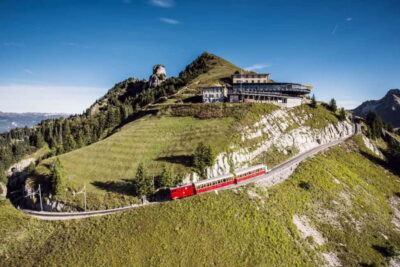
Berner Oberland: Swiss Half Fare & STS Holder 2nd Class Pass
Read our review →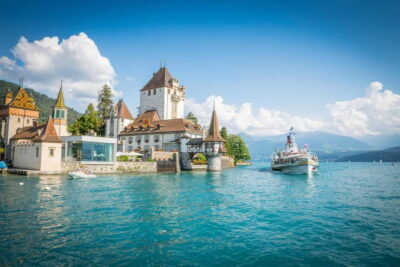
Browse the lists this tour appears in